
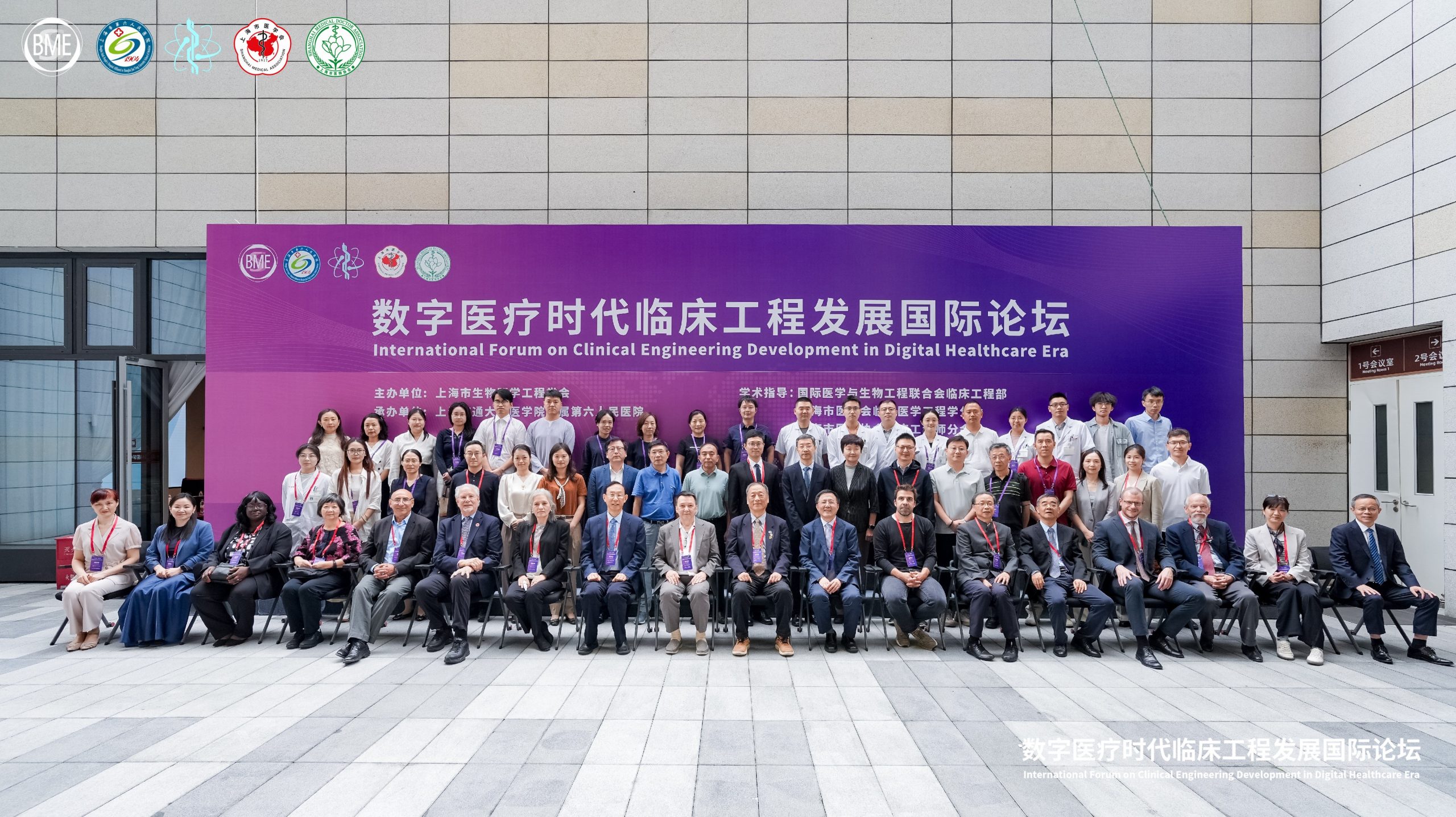
From 29 to 31 May 2026, the Clinical Engineering Division of the International Federation for Medical and Biological Engineering (IFMBE-CED) held and participated in a series of international forums and professional visits in Shanghai and Suzhou, China.
The three-day program comprised two international forums, visits to two hospitals, and field visits to three leading healthcare technology enterprises and professional education institutions. It brought together senior leaders of IFMBE and the International Union for Physical and Engineering Sciences in Medicine (IUPESM), as well as IFMBE-CED Advisors, Board Members, Co-opted Members, international experts and leading Chinese professionals in Clinical Engineering, Biomedical Engineering, Digital Health, Precision Medicine, Healthcare Technology Management and Medical Device Innovation.
Through academic exchange and on-site engagement, the program connected Clinical Needs with Engineering Innovation, professional education, scientific research, advanced manufacturing and industrial development. It also provided an international platform for sharing China’s progress in Medical-Engineering Integration and exploring new opportunities for collaboration among hospitals, universities, research institutions, professional societies and industry.
International Forum on Clinical Engineering Development in the Digital Health Era
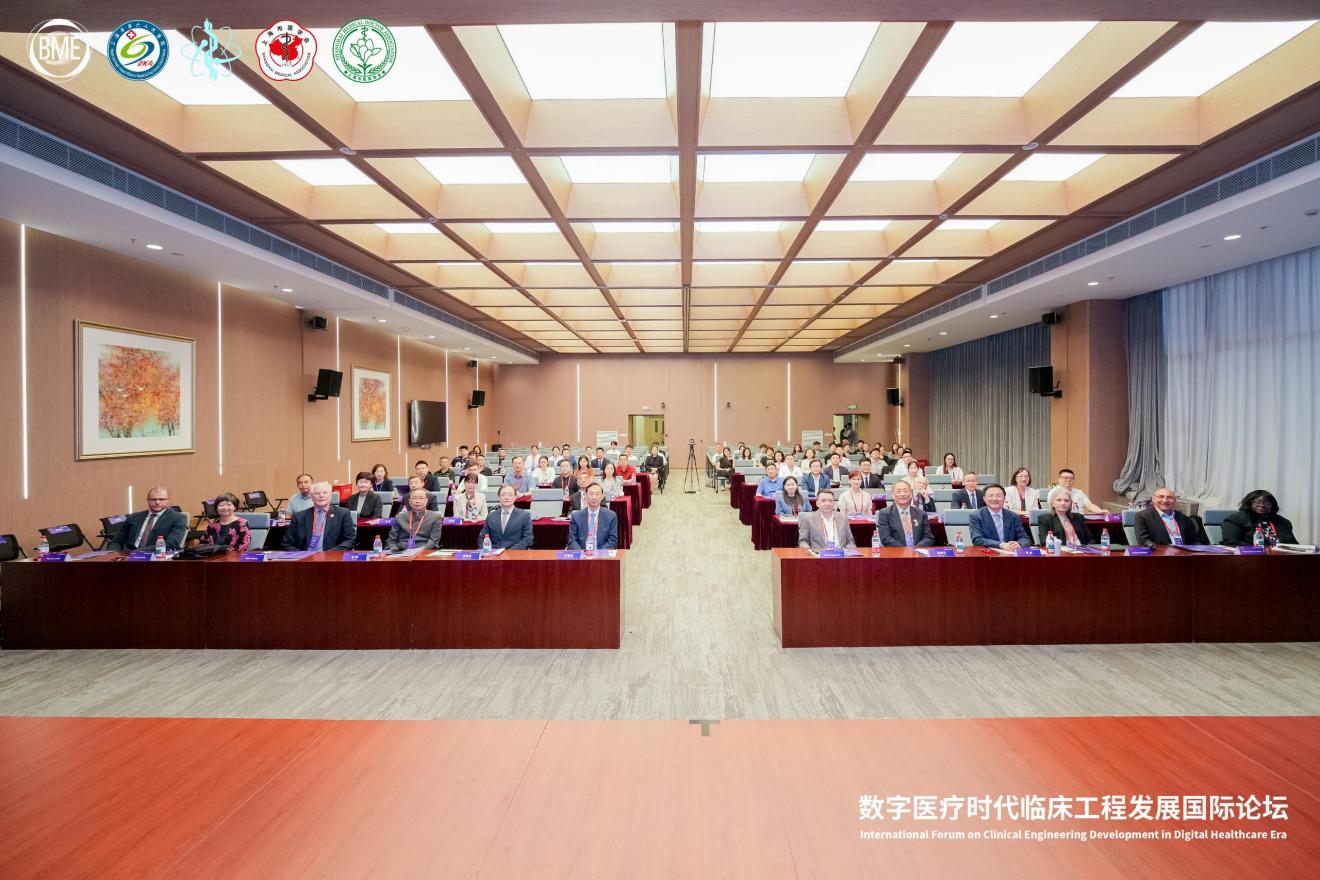
On 29 May 2026, the International Forum on Clinical Engineering Development in the Digital Health Era was successfully held at the National Center for Orthopedics of Shanghai Sixth People’s Hospital. The forum was hosted by the Shanghai Society of Biomedical Engineering and co-organized by Shanghai Sixth People’s Hospital and the Clinical Medical Engineering Committee of the Shanghai Society of Biomedical Engineering.
More than ten international experts from nine countries, together with leading Chinese scholars and professionals, gathered in Shanghai to discuss the development of Clinical Engineering in the Digital Health Era. The forum focused on strengthening Medical-Engineering Integration, promoting collaboration among clinical institutions, universities, research institutes and industry, and supporting innovation in Medical Devices, Healthcare Technology Standards, Talent Development and Technology Translation.
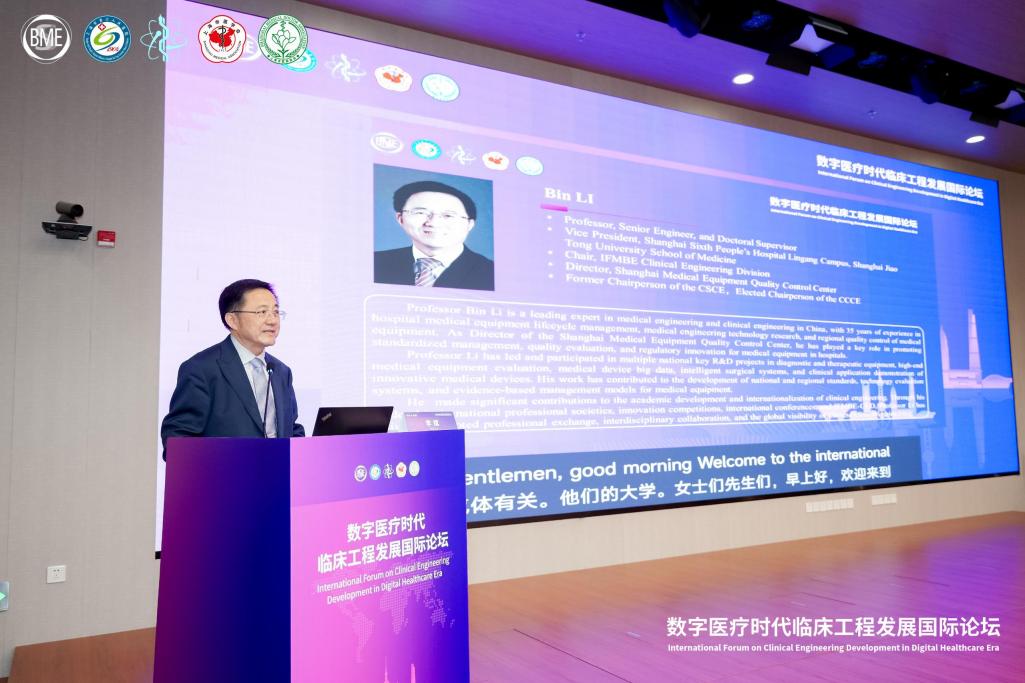
Opening ceremony chaired by Prof. Bin Li, Chair of IFMBE-CED
The opening ceremony was chaired by Prof. Li Bin, Vice President of the Lingang Campus of Shanghai Sixth People’s Hospital, Chair of IFMBE-CED, and Chair of the Clinical Medical Engineering Committee of the Shanghai Society of Biomedical Engineering. Welcome remarks were delivered by Prof. Feng Xiaoyuan, President of the Shanghai Society of Biomedical Engineering and Lifetime Professor at Huashan Hospital, Fudan University.
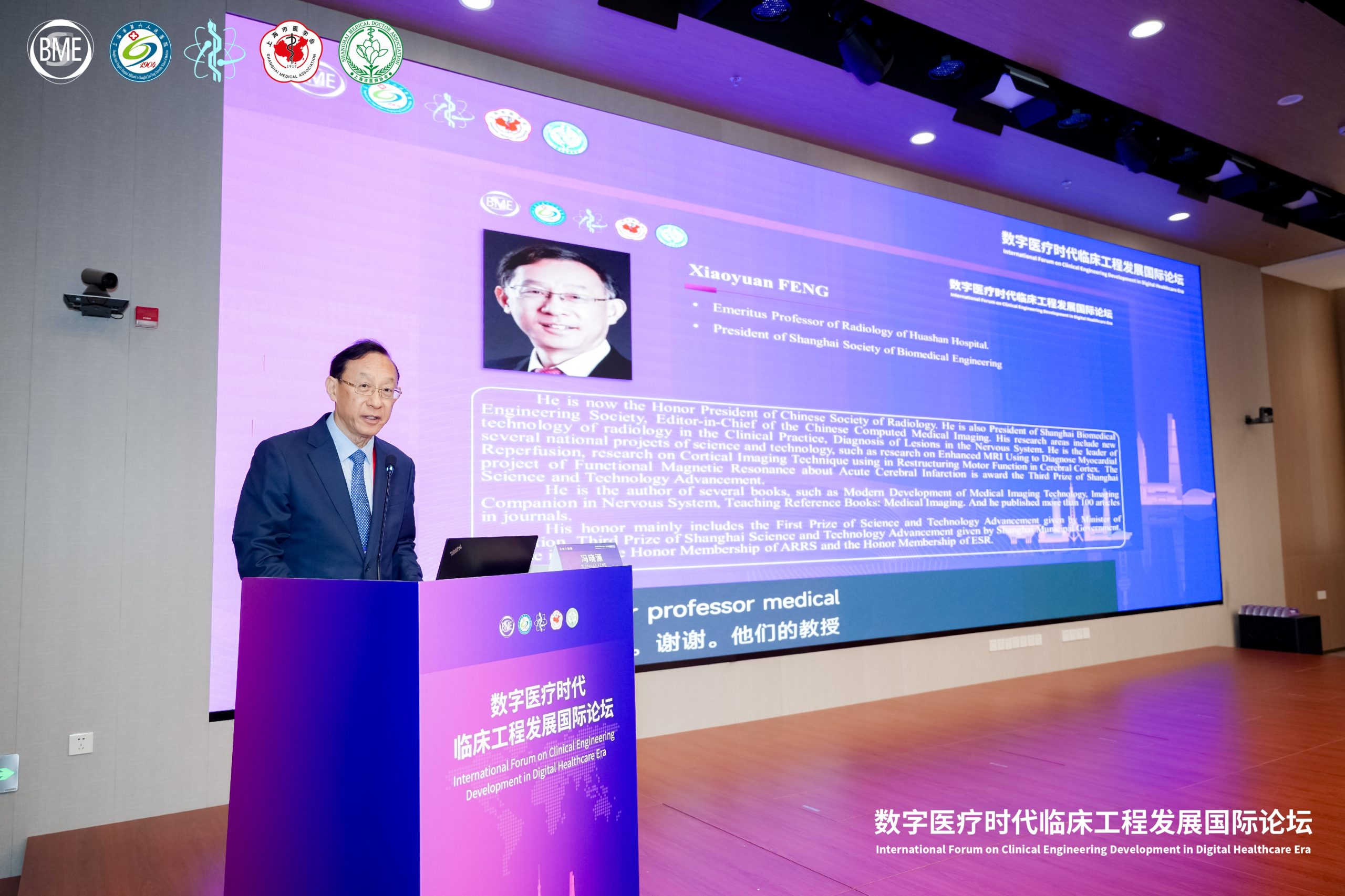
Opening remarks by Prof. Xiaoyuan Feng, President of Shanghai Society of Biomedical Engineering
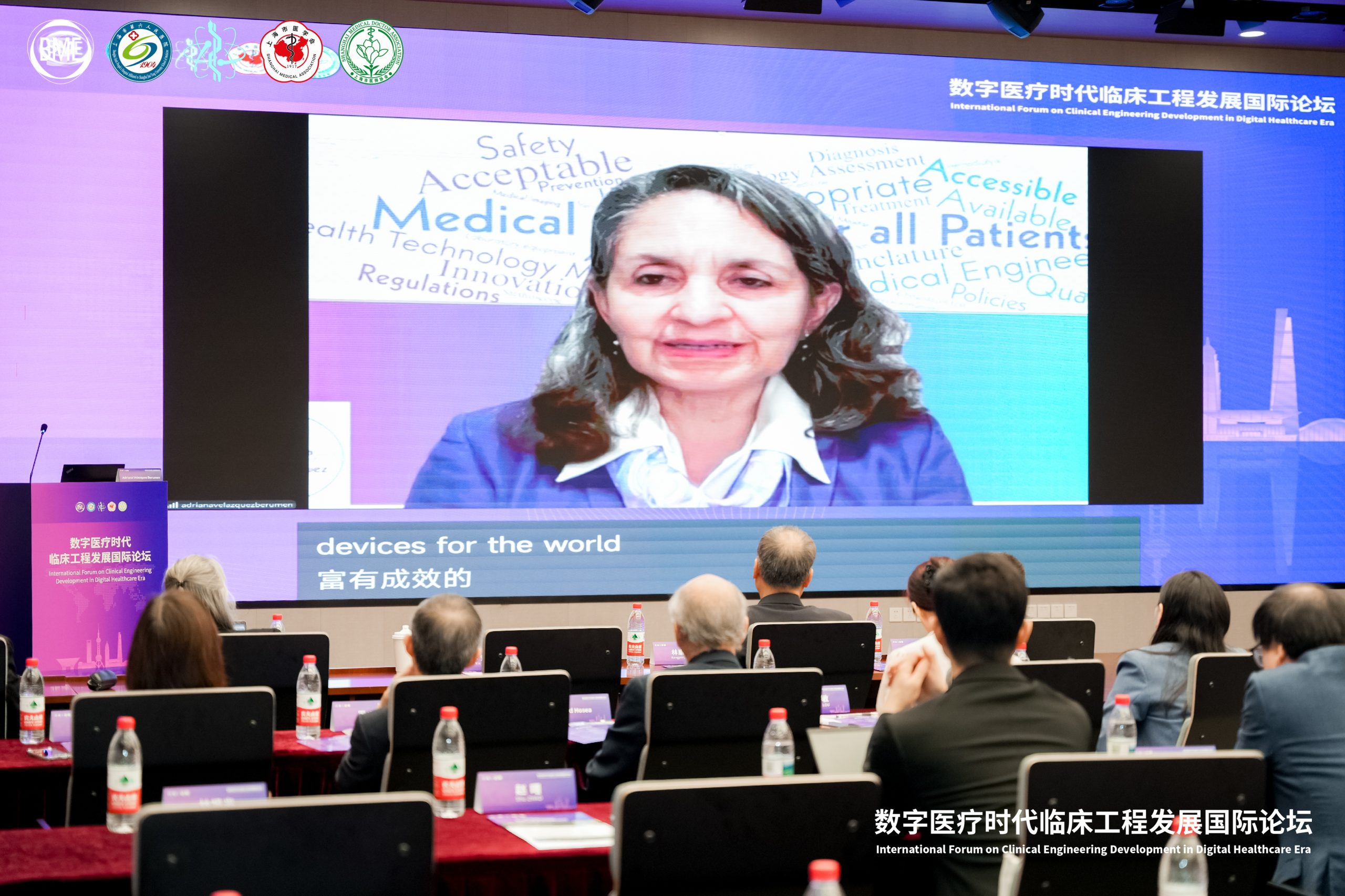
Opening remarks by Prof. Adriana Velazquez Berumen, former WHO expert on Medical Devices
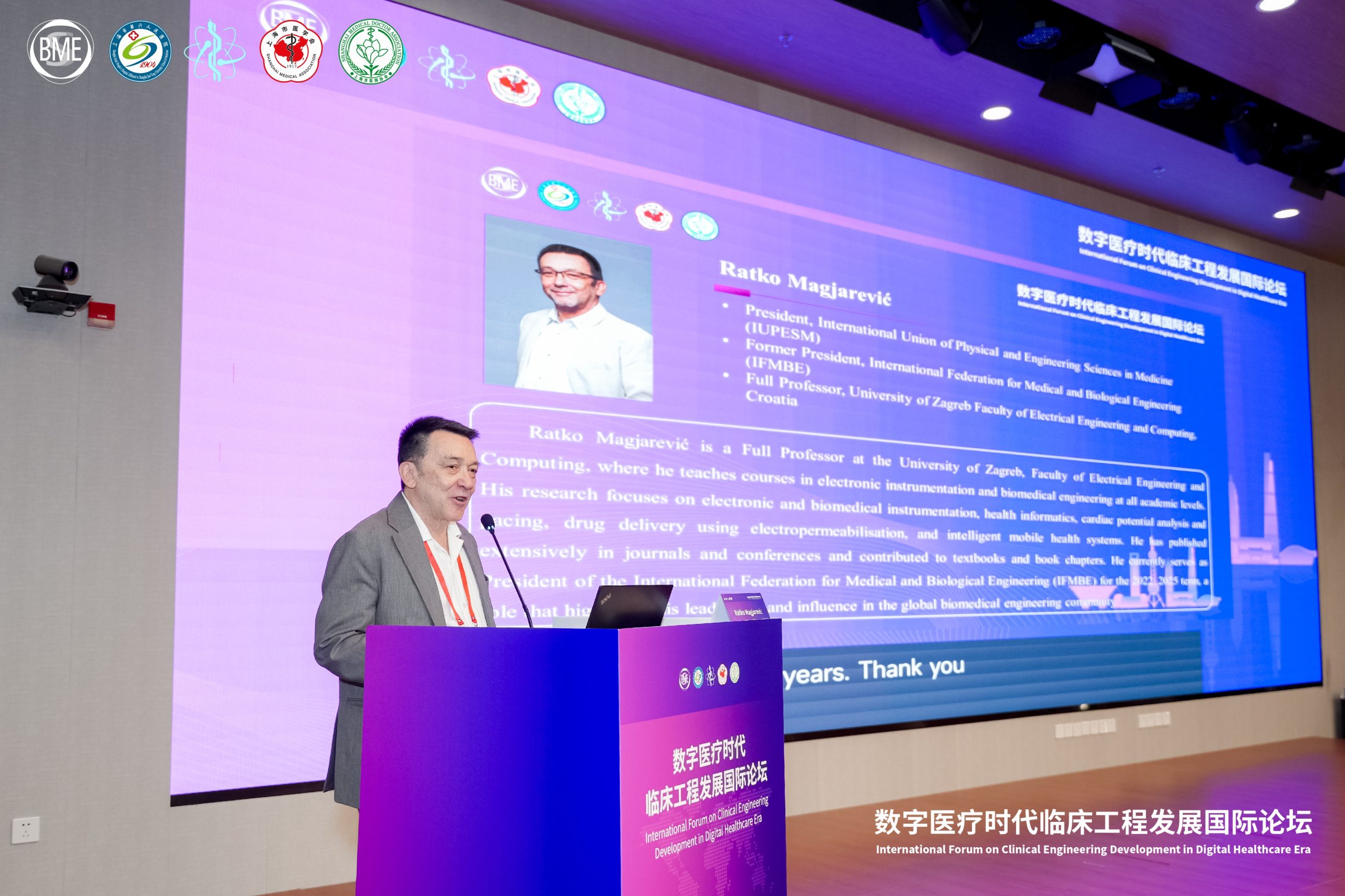
Opening remarks by Prof. Ratko Magjarević, President of IUPESM
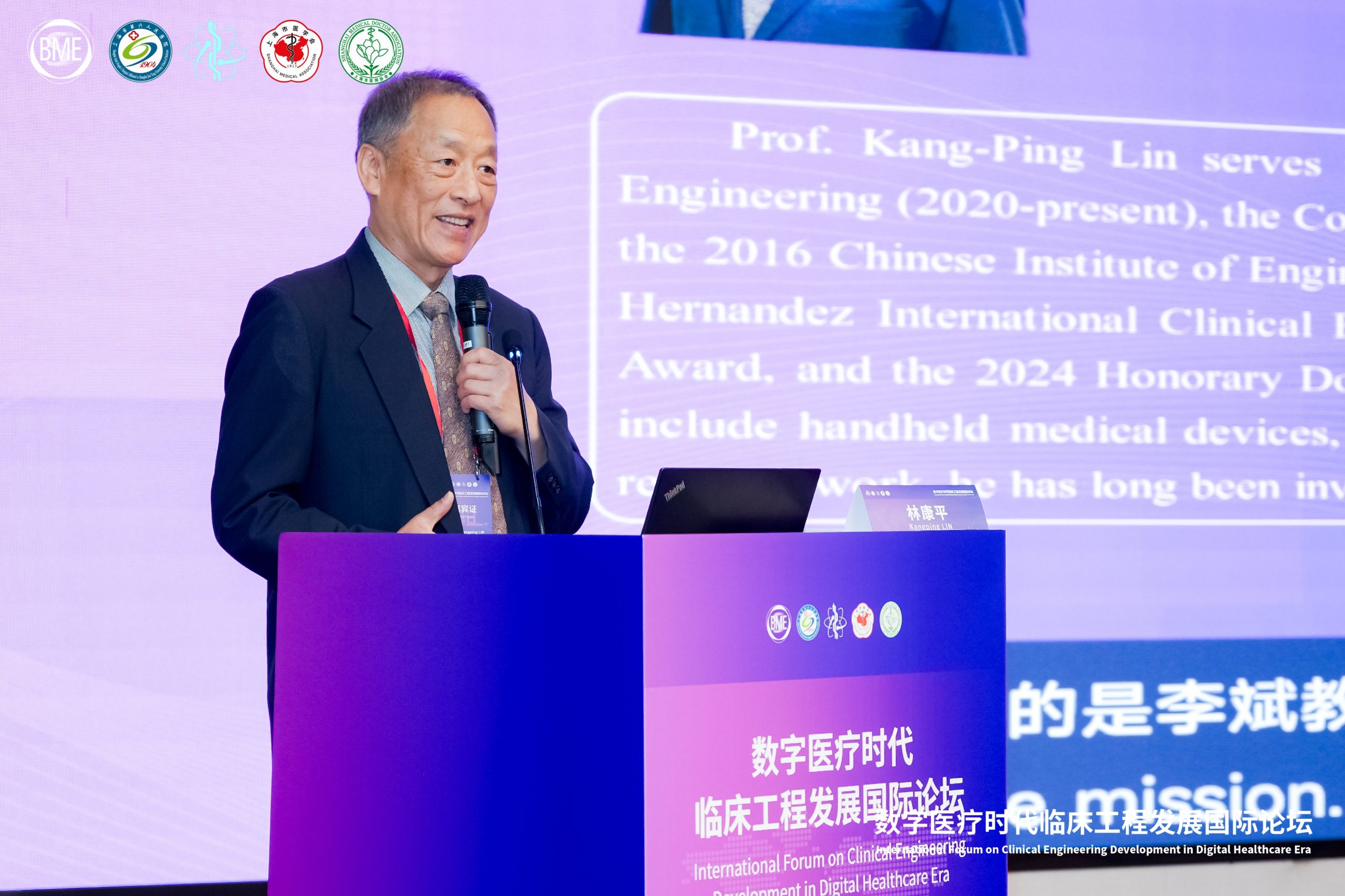
Opening remarks by Prof. Kang-Ping Lin, President of IFMBE
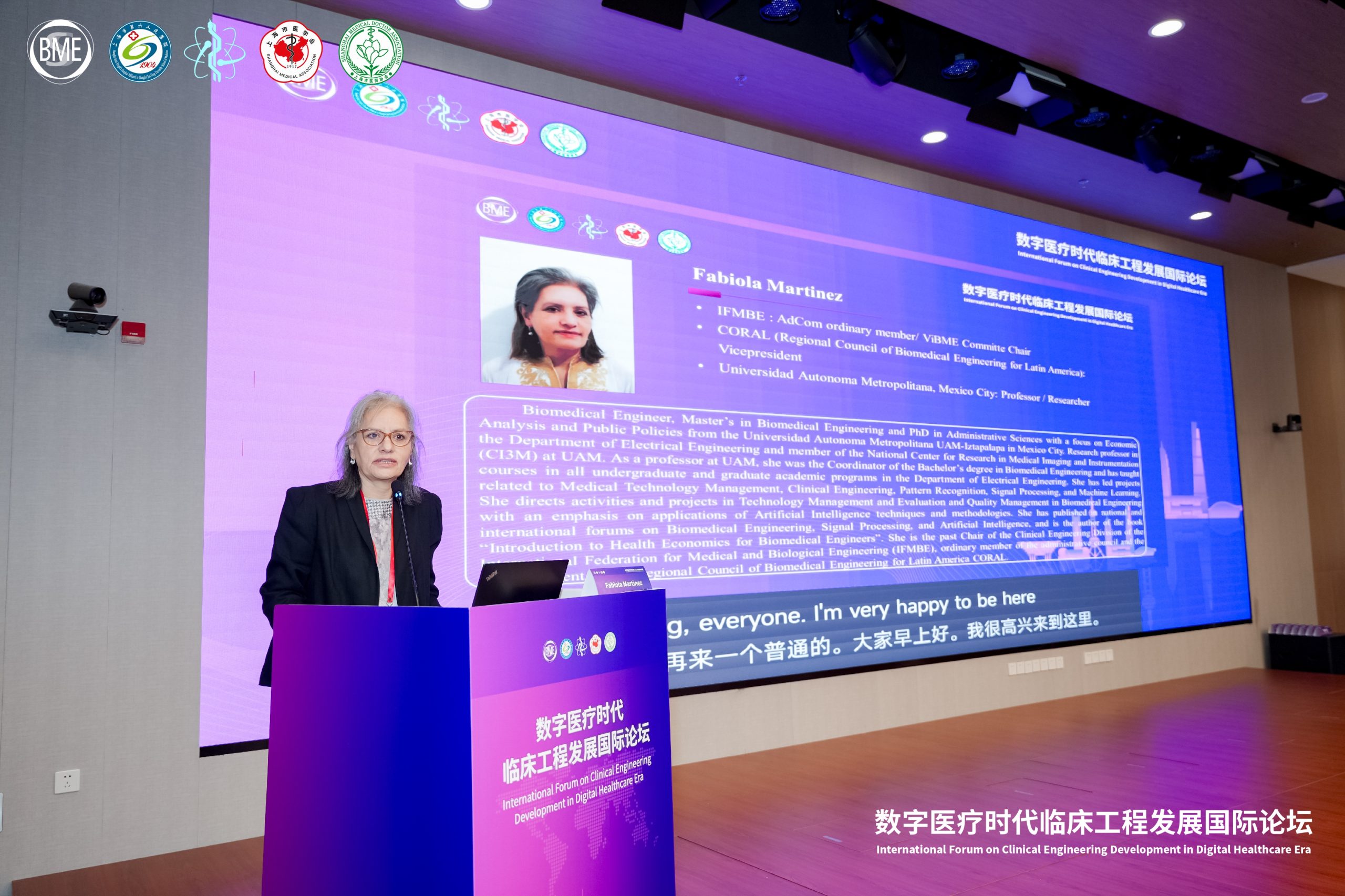
Opening remarks by Prof. Fabiola Martinez, former Chair of IFMBE-CED
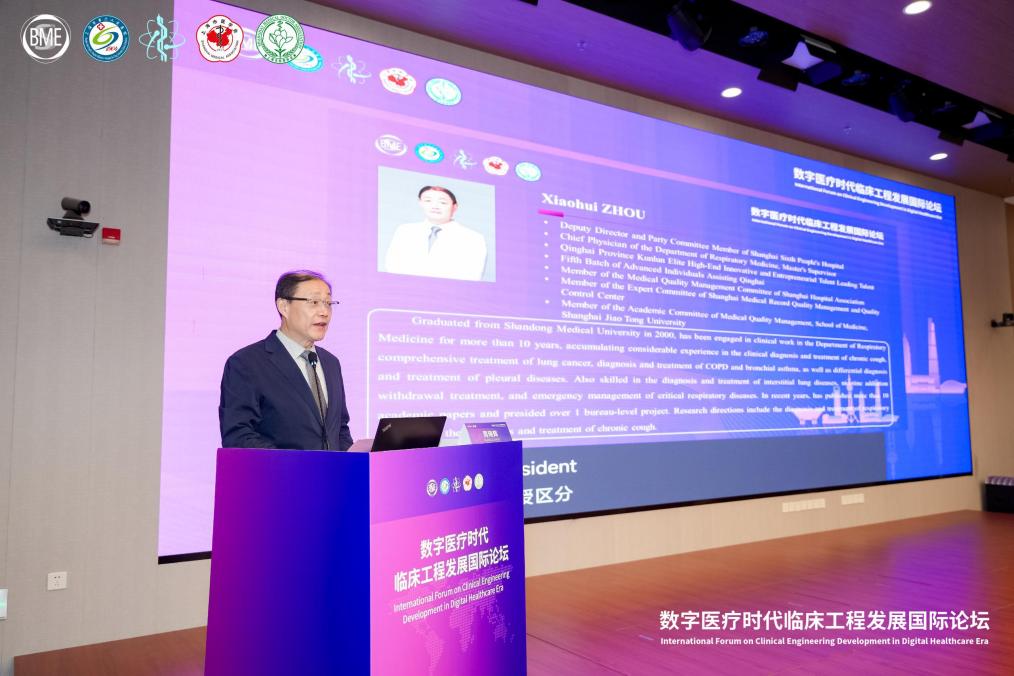
Opening remarks by Prof. Xiaohui Zhou, Vice President of Shanghai Sixth People’s Hospital
Opening remarks were also delivered by Prof. Ratko Magjarević, President of the International Union for Physical and Engineering Sciences in Medicine and former President of IFMBE; Prof. Adriana Velazquez Berumen, former expert of the World Health Organization on Medical Devices; Prof. Kang-Ping Lin, President of IFMBE; Prof. Fabiola Martinez, former Chair of IFMBE-CED; and Prof. Xiaohui Zhou, Vice President of Shanghai Sixth People’s Hospital. The speakers emphasized the strategic importance of Clinical Engineering in Digital Healthcare, Patient Safety, Medical Technology Management and International Collaboration.
The scientific program included sessions on Innovative Medical Technologies, Digital Health Solutions, Clinical Engineering Education, Professional Development and National Society Programs. Presentations addressed topics such as artificial intelligence-related Patient Safety Events, High-End Medical Imaging Equipment, Software as a Medical Device, Clinical Engineering Education in Canada, AI Innovation in Patient Care in Peru, and Regional Engagement by professional Biomedical Engineering societies.
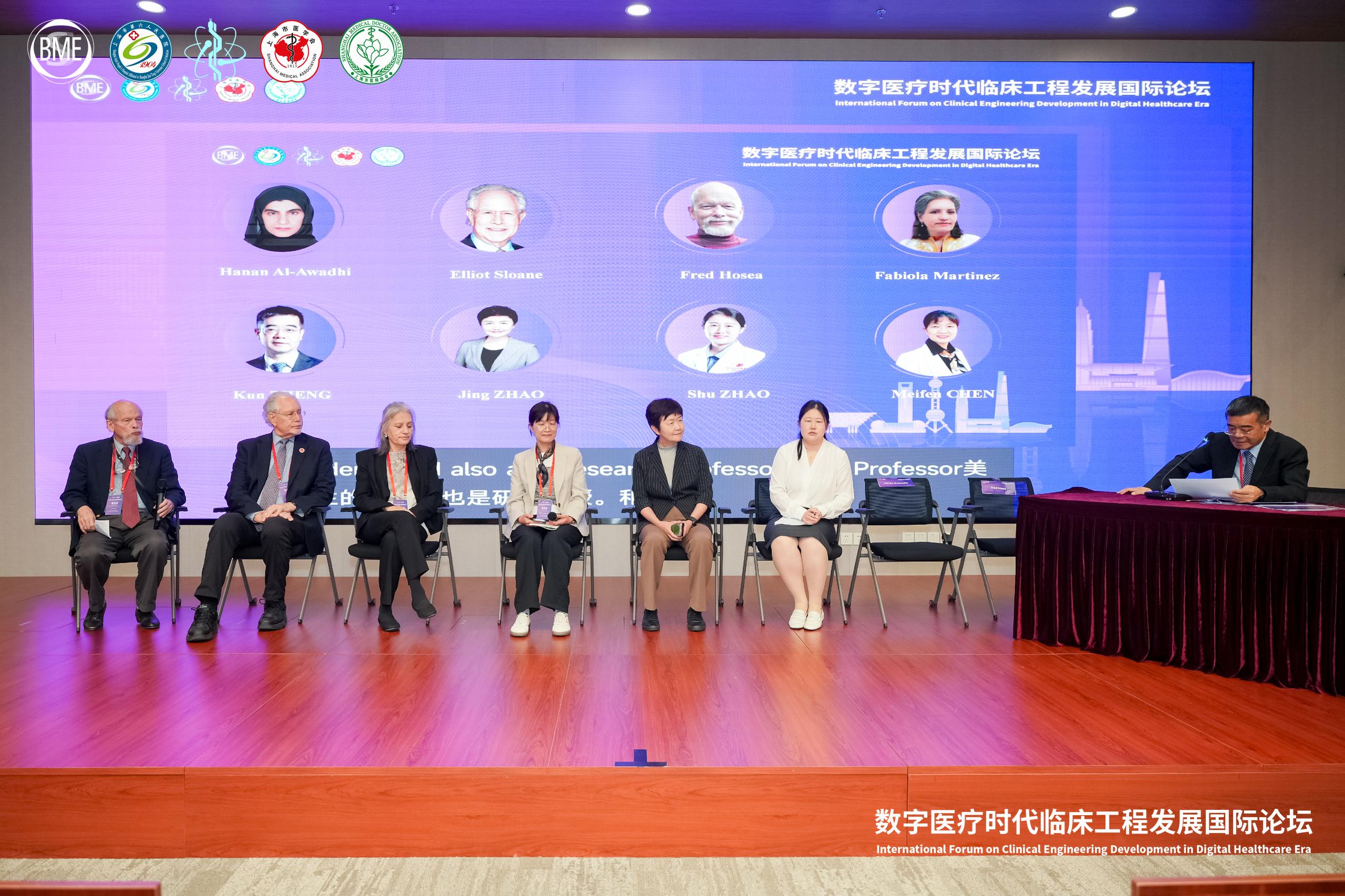
A roundtable discussion on Clinical Engineering Career Development brought together experts from IFMBE-CED and partner institutions to discuss Professional Identity, Skill Development, Career Pathways, Digital Health Opportunities and the need for stronger International Collaboration. Participants agreed that Clinical Engineers are increasingly expected to serve as Technology Integrators, Innovation Facilitators, Quality Guardians, and Operational Strategists within modern healthcare systems.
Hospital Visits Highlight Clinical Innovation and Digital Health Implementation
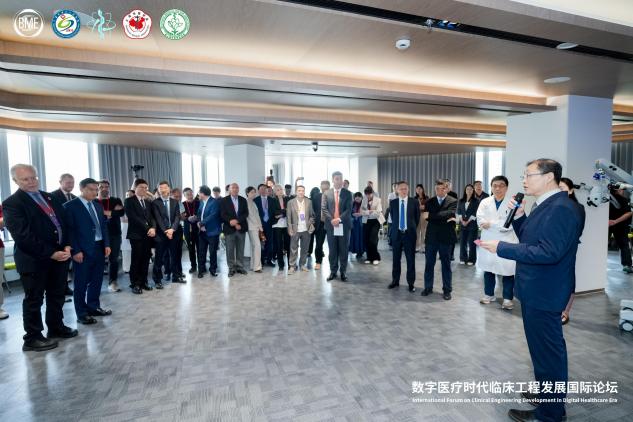
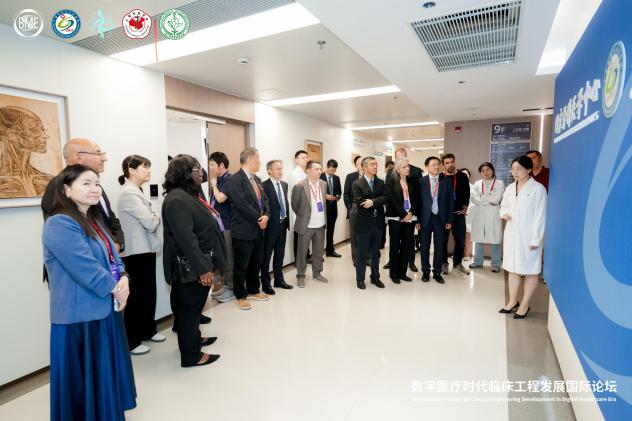
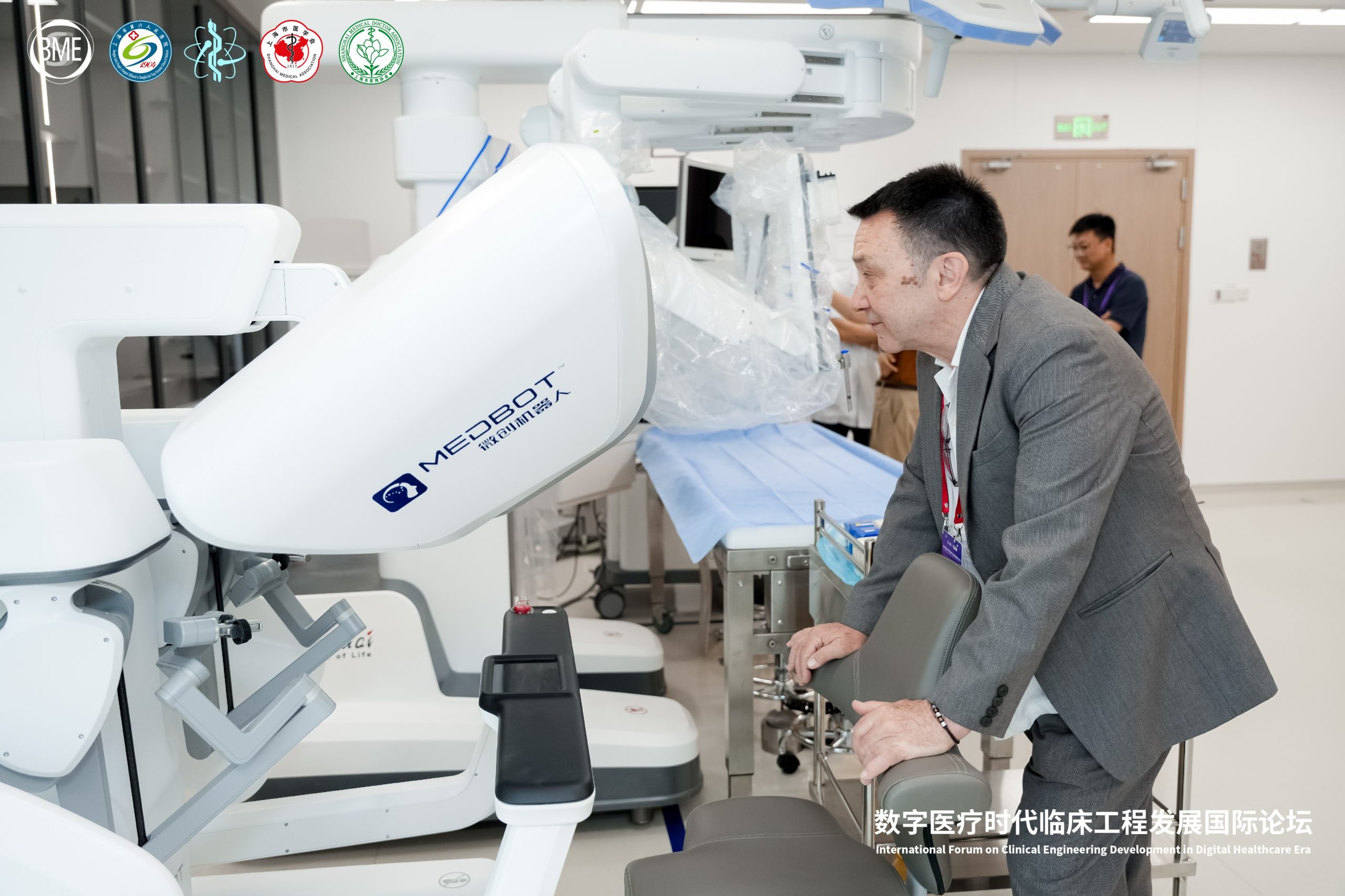
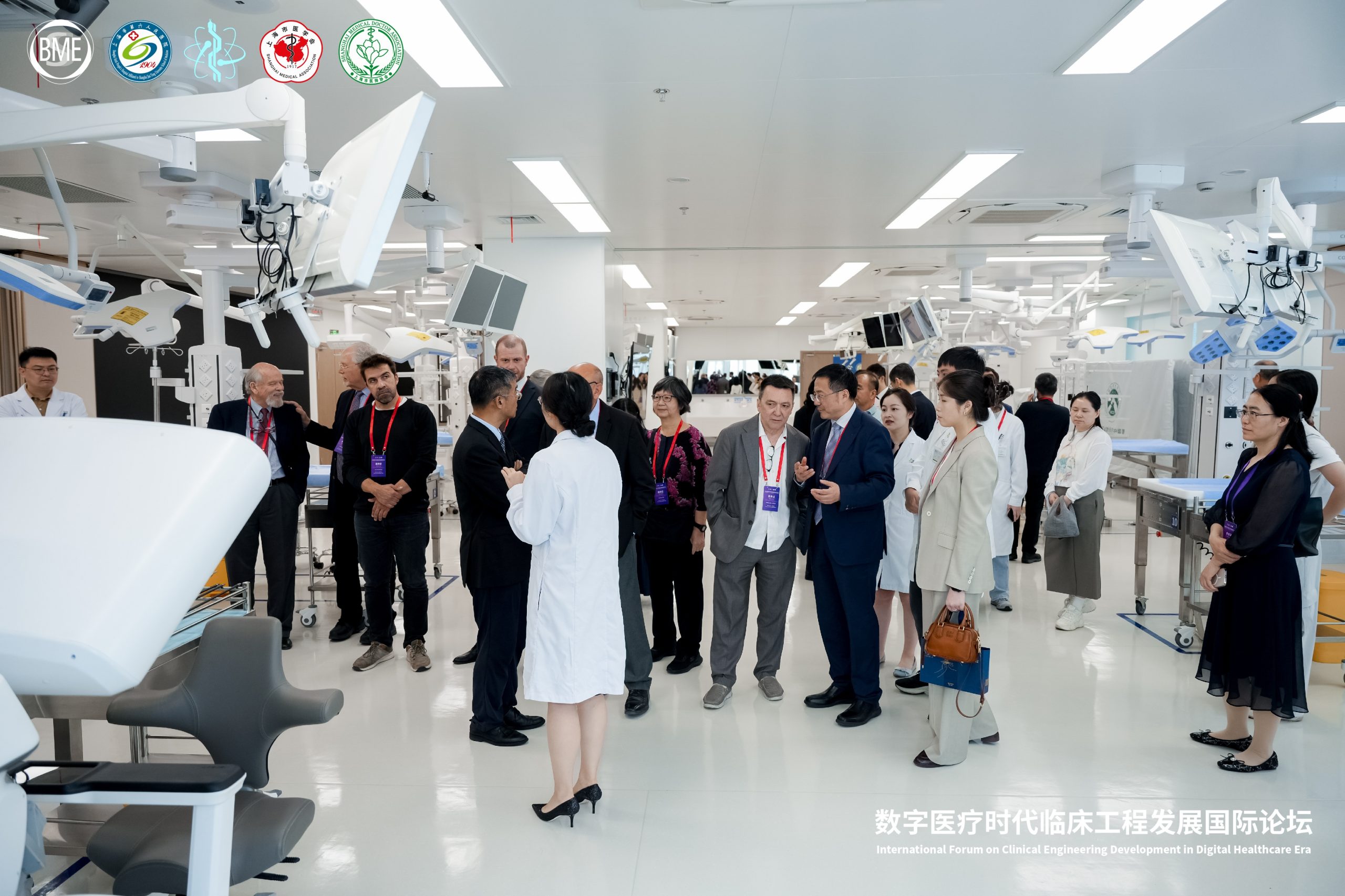
During the Shanghai program, the international delegation visited the Clinical Anatomy Research and Training Center of Shanghai Sixth People’s Hospital.
The center integrates high-quality clinical anatomy resources with Surgical Robotics, AI-assisted navigation, 3D printing and other advanced technologies. It provides a collaborative platform for clinical training, scientific research, Medical Device evaluation, technology validation and translational innovation.
The visit demonstrated how a National Medical Center can connect clinical expertise with Engineering Innovation and industrial collaboration, while supporting the development and validation of new medical technologies.
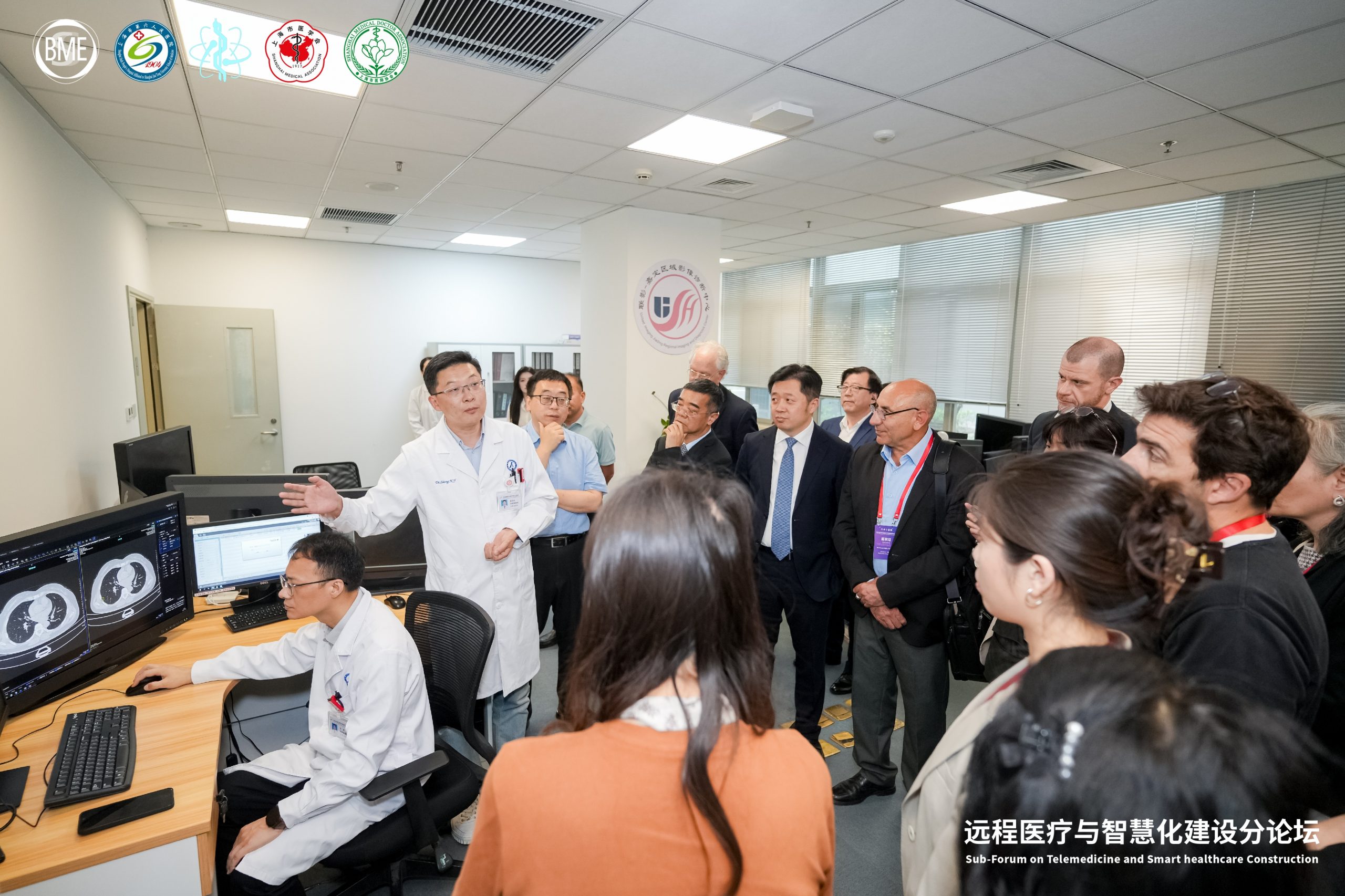
The delegation also visited the Remote Imaging Diagnosis and Treatment Center of Shanghai Jiading District Central Hospital and participated in an exchange on Telemedicine and intelligent hospital development.
Experts learned how the center uses digital platforms to connect regional hospitals and primary healthcare institutions with specialist diagnostic resources. Its remote imaging services also extend to underserved and geographically distant regions, demonstrating how Digital Health can improve access to quality medical services and support more equitable healthcare delivery.
United Imaging Visit Showcases China’s High-End Medical Technology Innovation
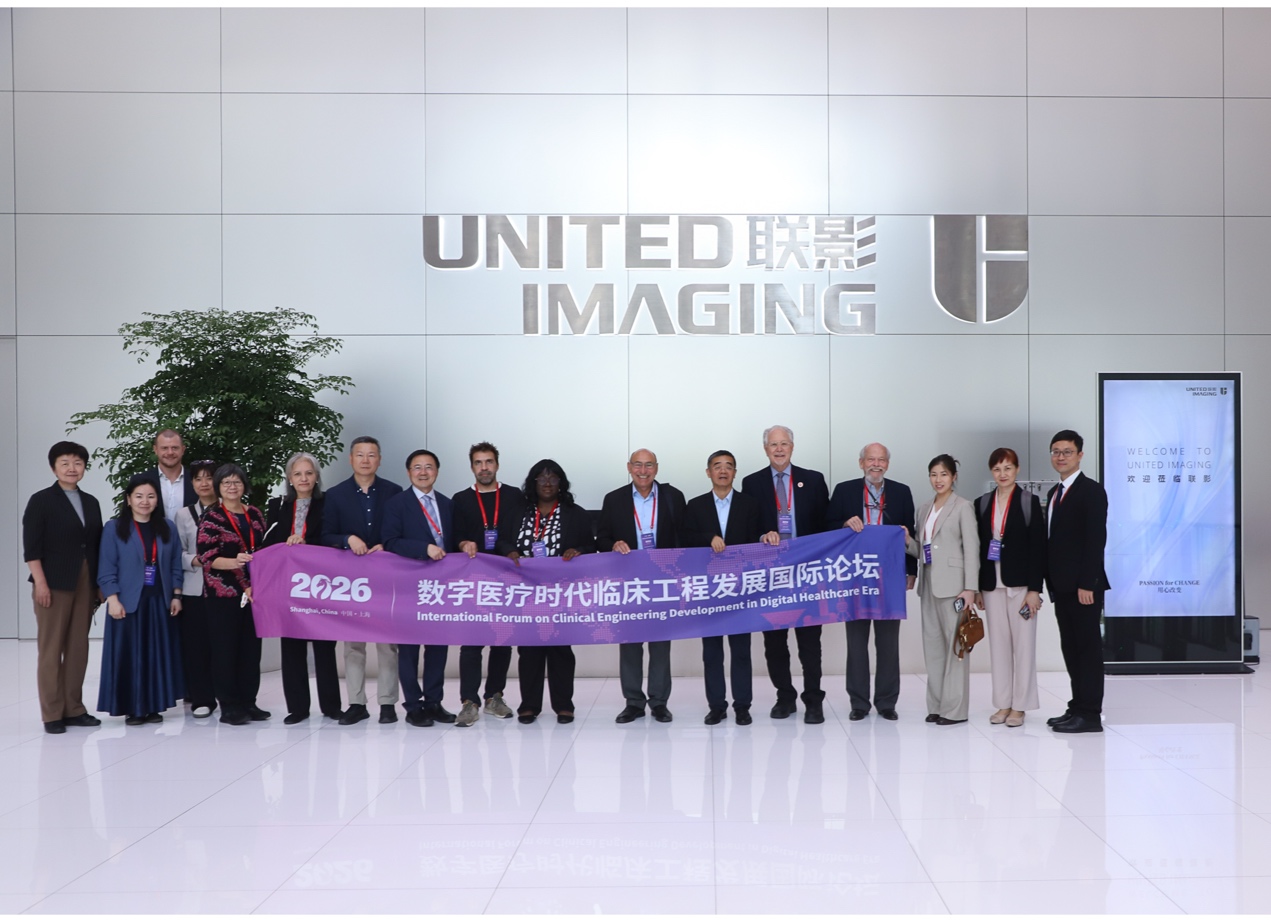
On the afternoon of 29 May, the delegation visited the Shanghai headquarters of Shanghai United Imaging Healthcare Co., Ltd. in Jiading District and toured its medical technology exhibition hall.
The exhibition provided the international experts with a comprehensive overview of United Imaging’s development in advanced Medical Imaging, Molecular Imaging, Radiotherapy, life science instruments and intelligent Digital Health solutions. A broad portfolio of technologies and systems demonstrated how Engineering Innovation can be translated into clinical applications across diagnosis, treatment, research and hospital operations.
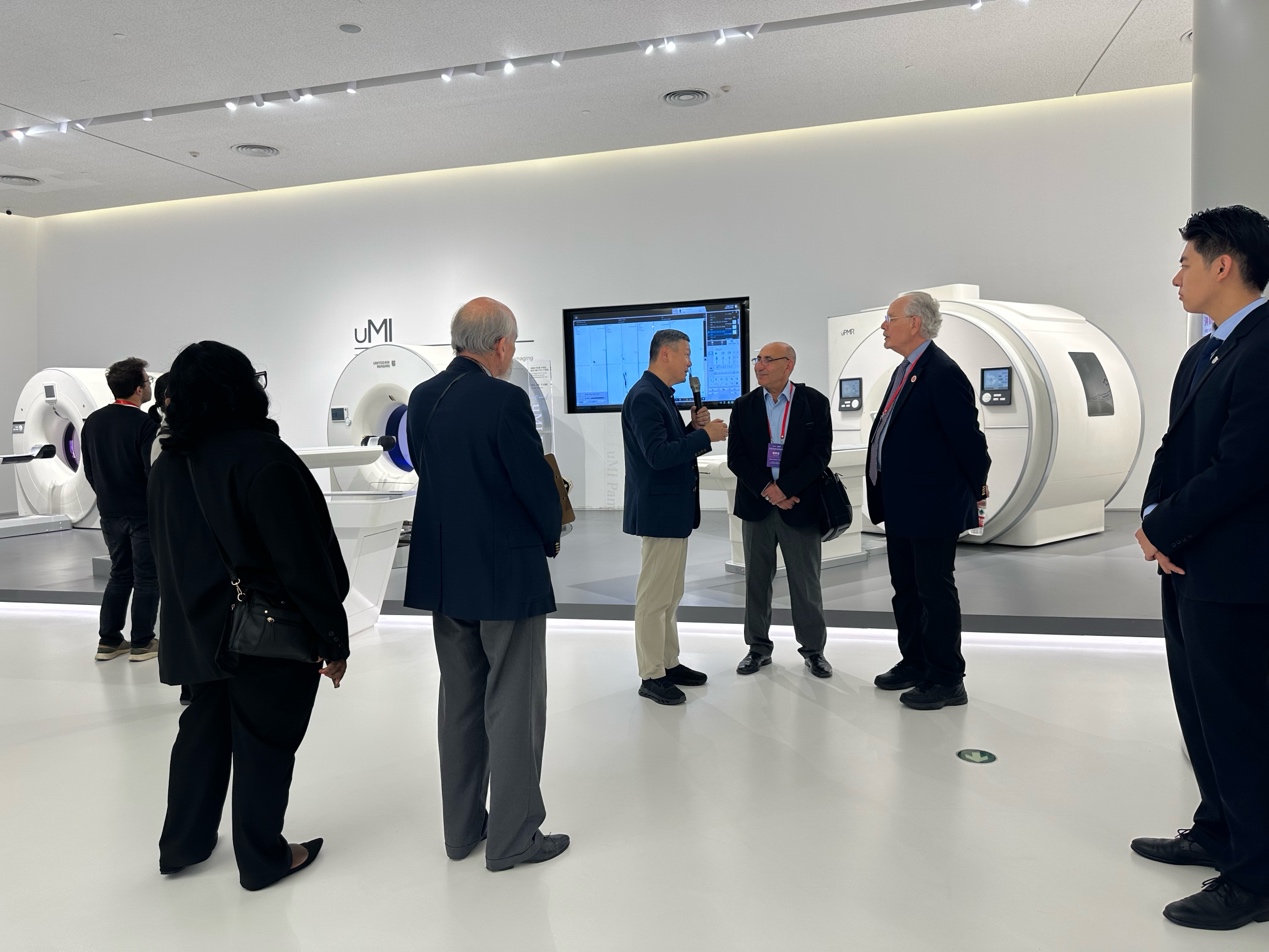
During the visit, the delegation learned about the company’s integrated approach to research and development, core technology development, intelligent manufacturing and global market expansion. The exhibition also illustrated the progressive integration of Artificial Intelligence, advanced imaging technologies and digital platforms into modern medical equipment and clinical workflows.
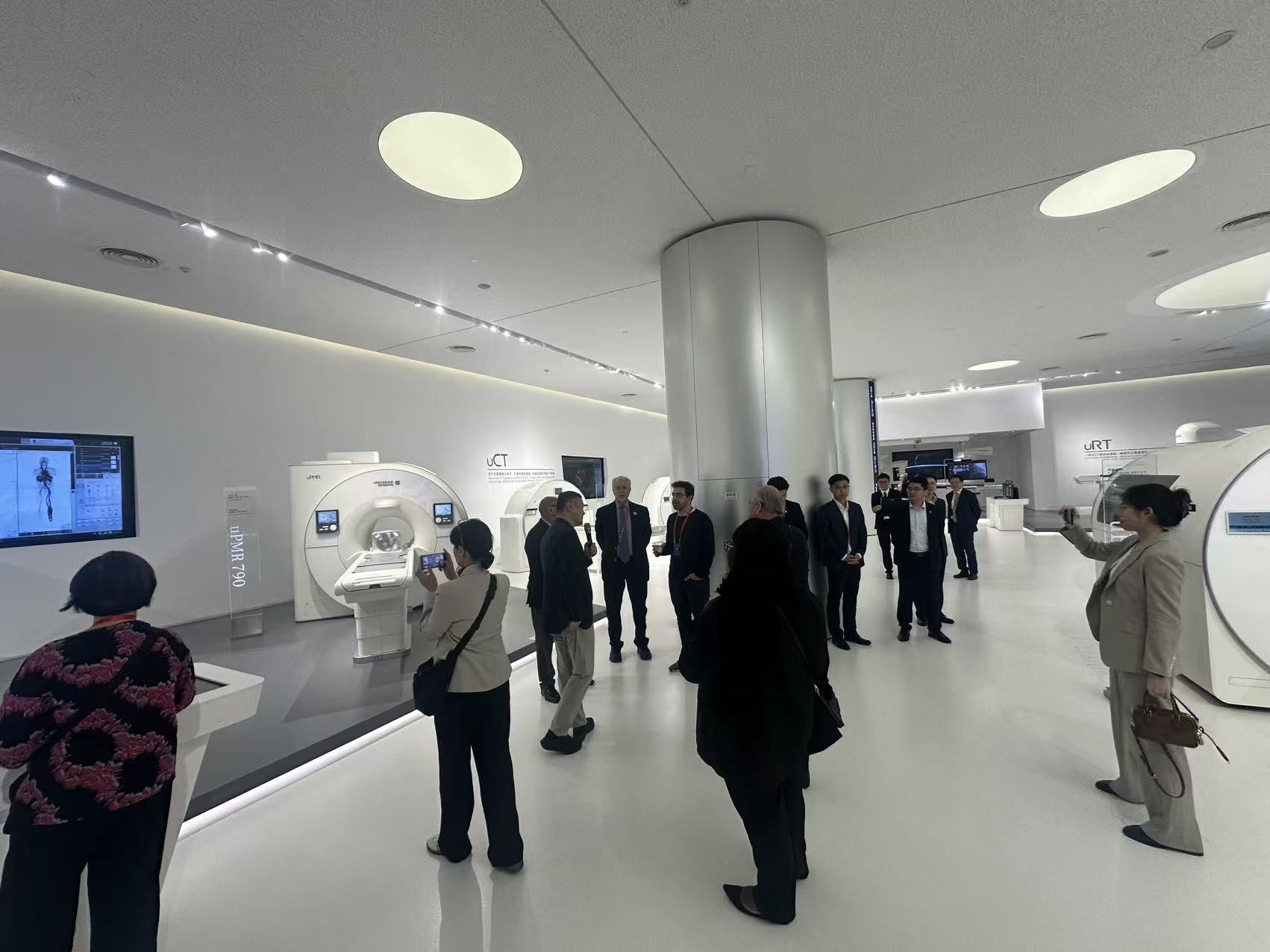
The visit offered a direct view of China’s growing capacity to develop and industrialize high-end medical technologies. It also highlighted the importance of close cooperation among enterprises, hospitals, universities and research institutions in accelerating technology translation and improving the accessibility of advanced healthcare solutions.
Smart Healthcare and Precision Medicine Forum in Suzhou
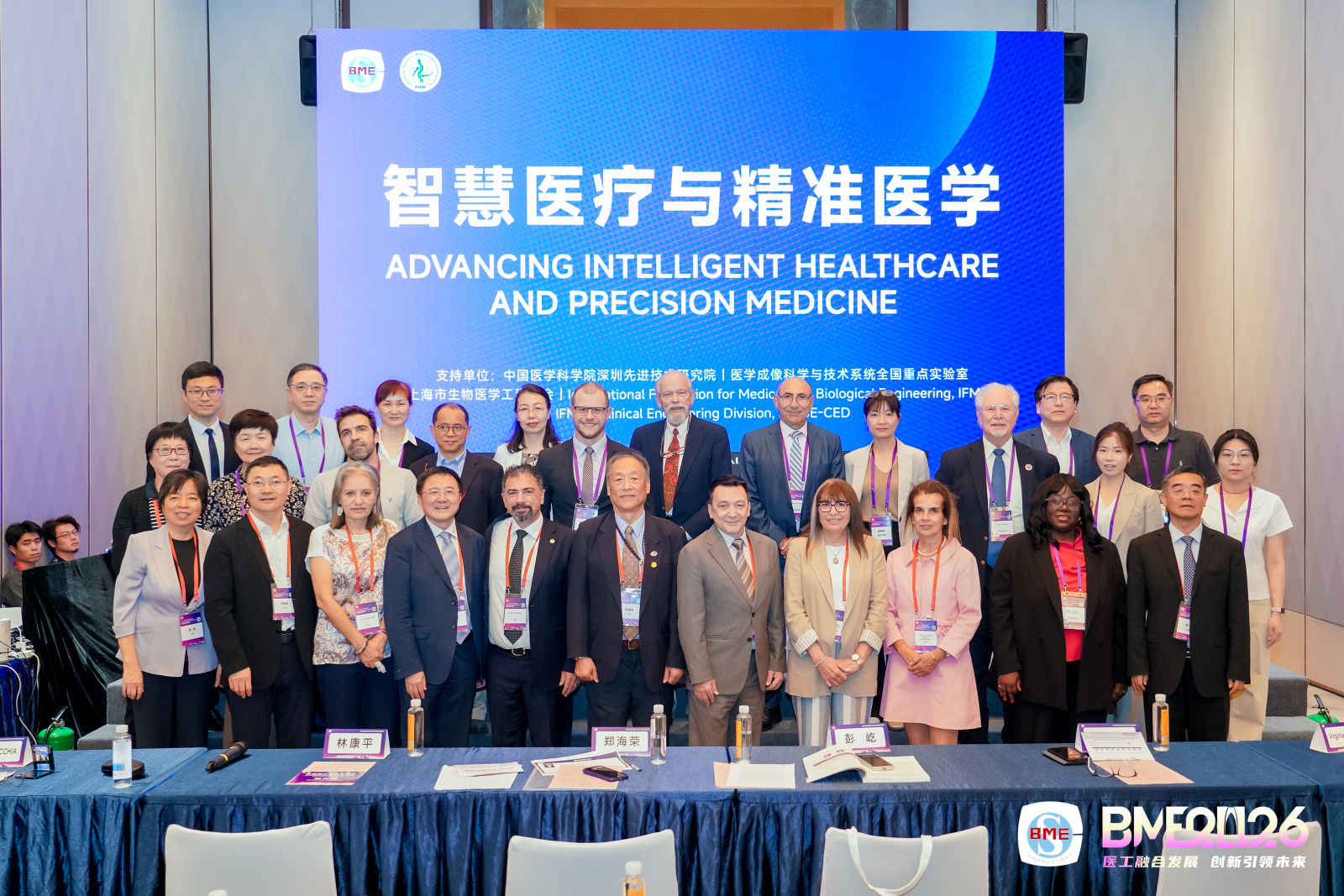
On 30 May 2026, the Annual Theme Forum on Smart Healthcare and Precision Medicine was held in Suzhou as part of the 2026 China Biomedical Engineering Conference and Medical Innovation Summit. The forum was hosted by the Chinese Society of Biomedical Engineering and co-organized by the Shenzhen Institute of Advanced Technology, Chinese Academy of Sciences; the National Key Laboratory of Medical Imaging Science and Technology System; and the Shanghai Society of Biomedical Engineering.
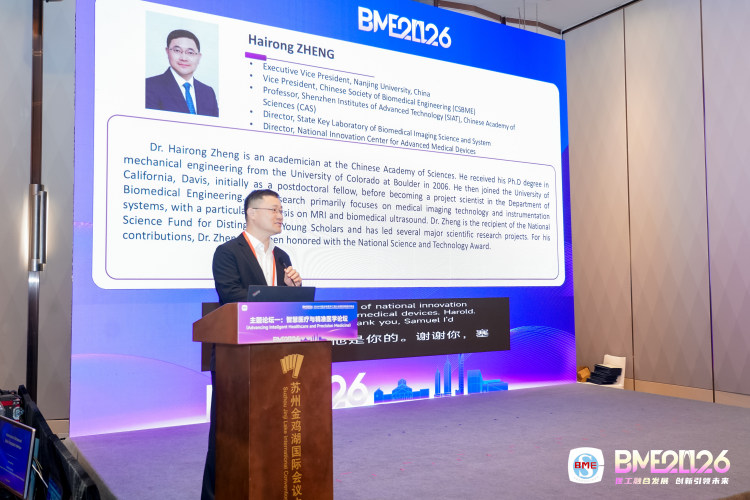
Prof. Hairong Zheng
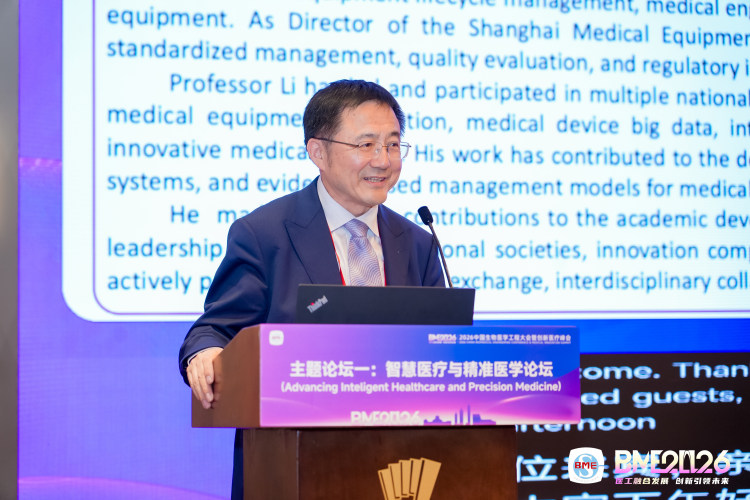
Chair Bin Li
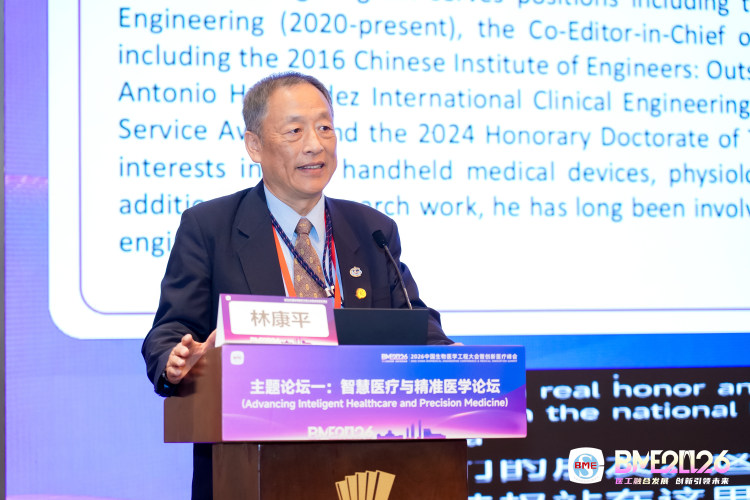
President Kang-ping Lin
The forum was co-chaired by Academician Zheng Hairong of the Chinese Academy of Sciences, Director of the National Key Laboratory of Medical Imaging Science and Technology System, and Prof. Li Bin, Vice President of Shanghai Sixth People’s Hospital and Chair of IFMBE-CED. Opening remarks were delivered by Prof. Ratko Magjarević, President of IUPESM; Prof. Kangping Lin, President of IFMBE, and Peng Yi, Secretary-General of the Chinese Society of Biomedical Engineering.
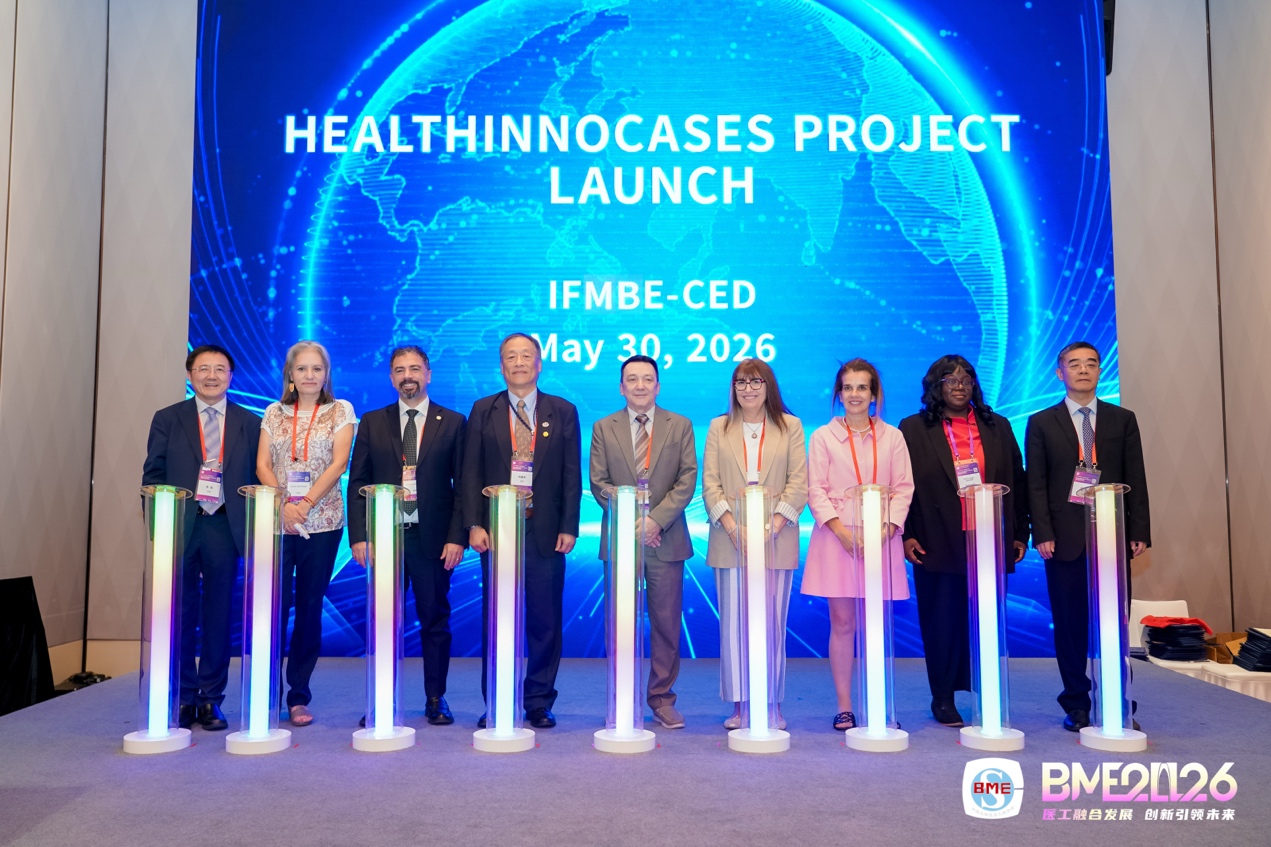
At the beginning of the forum, the HealthInnoCases project was officially launched. As a key initiative promoted by IFMBE-CED, HealthInnoCases aims to collect, evaluate and share Smart Healthcare Innovation Cases from around the world. The project is designed to support Cross-Border Learning, promote Technology Translation, highlight the role of Clinical Engineering in Healthcare Innovation, and provide practical references for health systems in different resource settings.
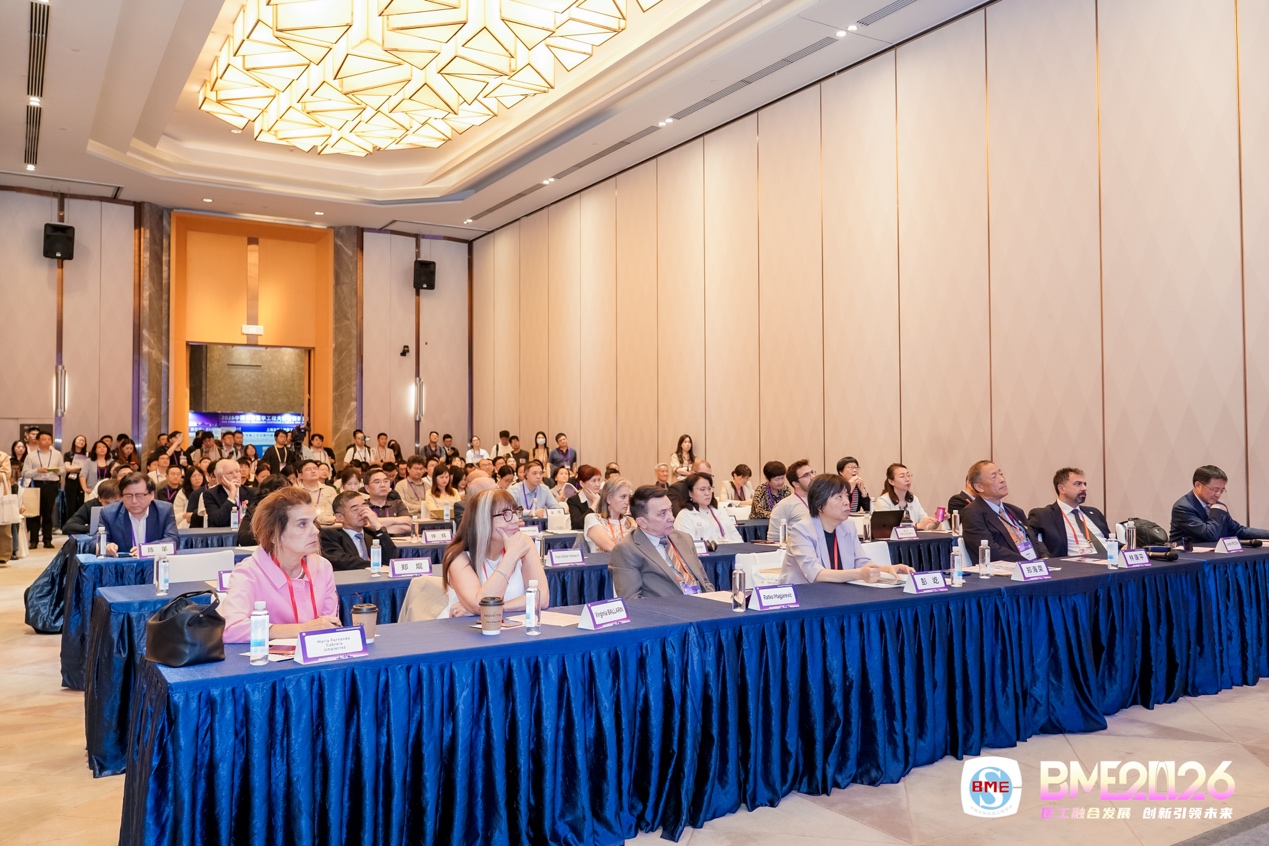
The forum featured keynote presentations on AI-Driven Smart Healthcare and Precision Medicine. Topics included Non-Invasive Brain-Computer Interface Technologies, the role of Clinical Engineers in improving Global Access to Medical Devices, European experience in Artificial Intelligence for Global Health, and AI-Assisted High-Quality Hospital Development and Patient Services.
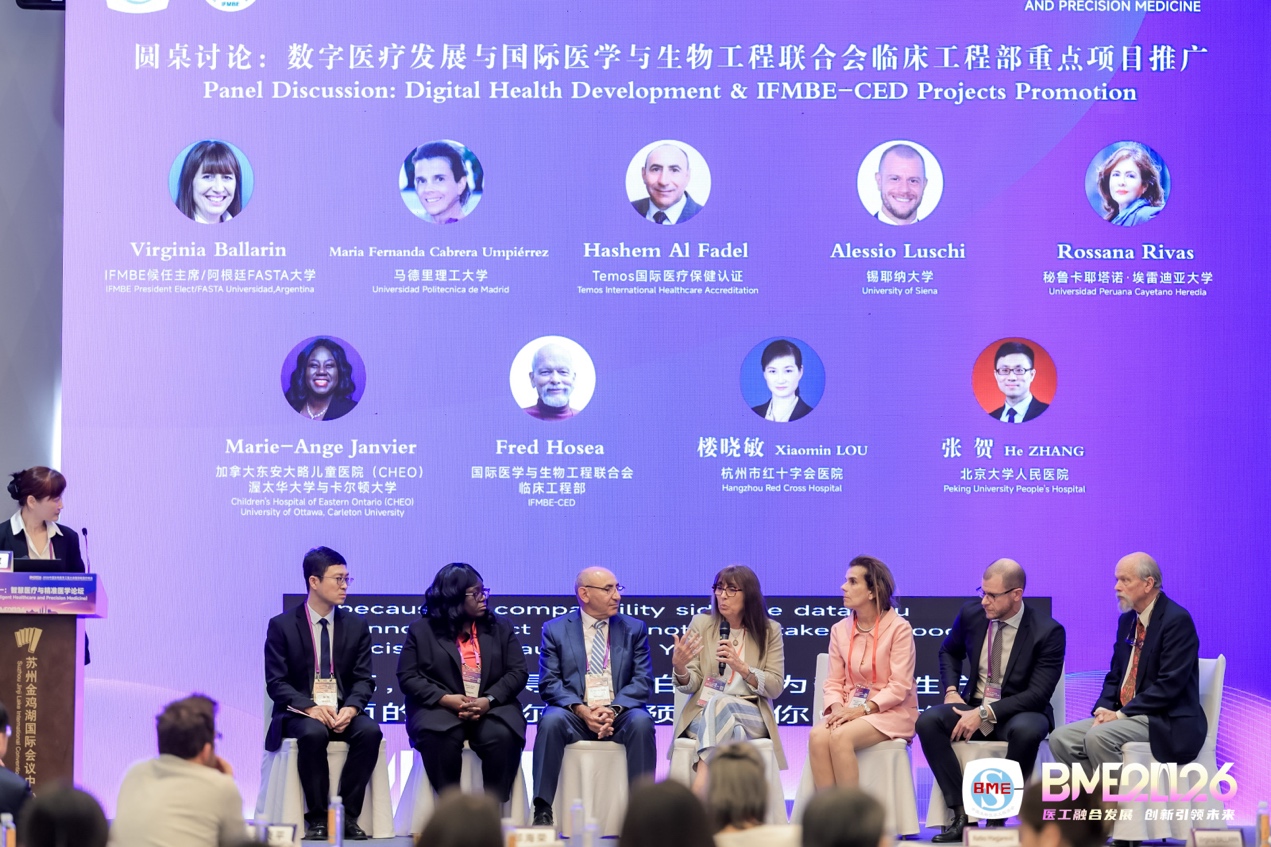
A roundtable discussion on Digital Health Development and the promotion of key IFMBE-CED initiatives further explored how International Exchange Projects can strengthen Clinical Engineering Development. Experts agreed that the advancement of Smart Healthcare and Precision Medicine requires Interdisciplinary and Cross-National Collaboration, and that sharing Implementation Experience can accelerate Technology Translation and improve Healthcare Delivery worldwide.
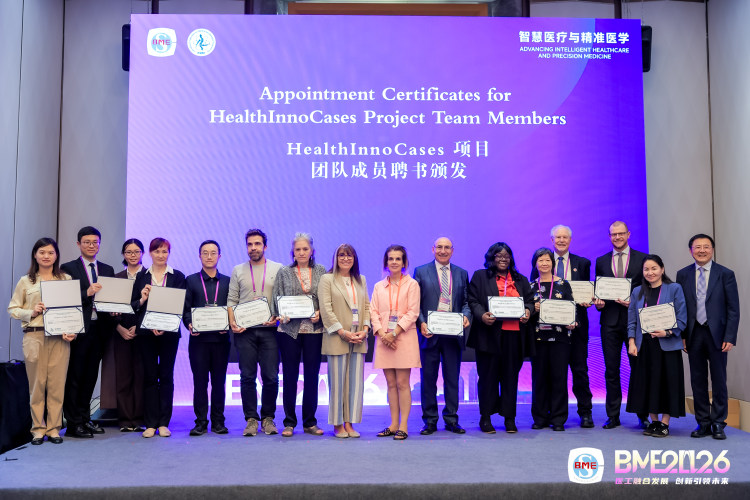
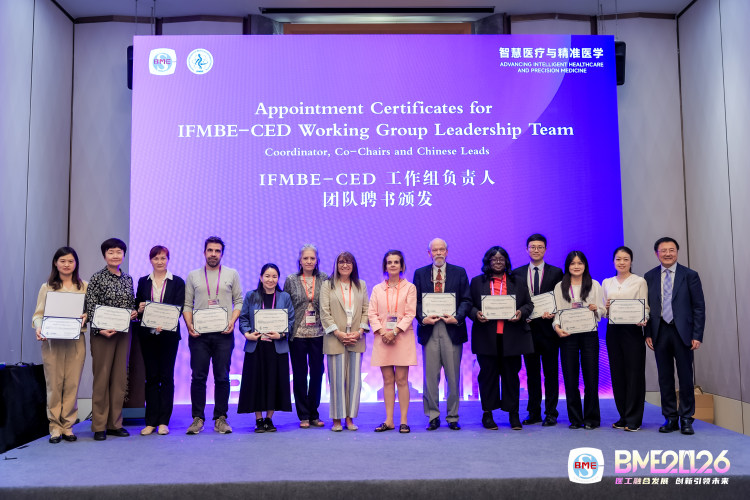
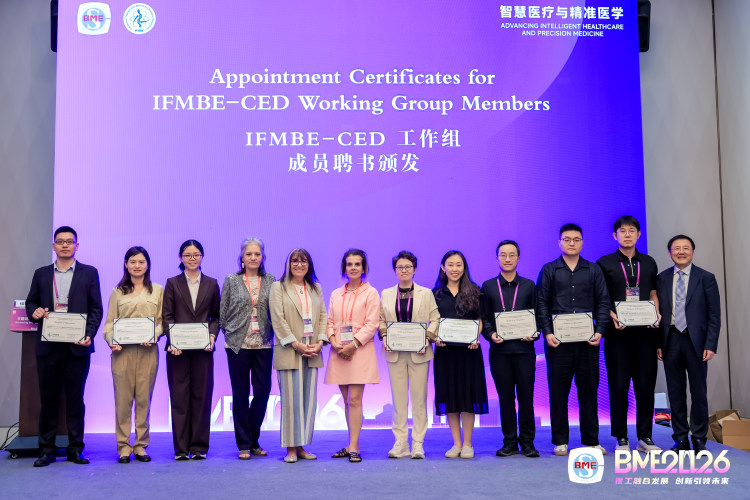
IFMBE-CED Certificate Presentation Ceremony at the Suzhou Forum
Advancing International Medical Education at B. Braun Aesculap Academy
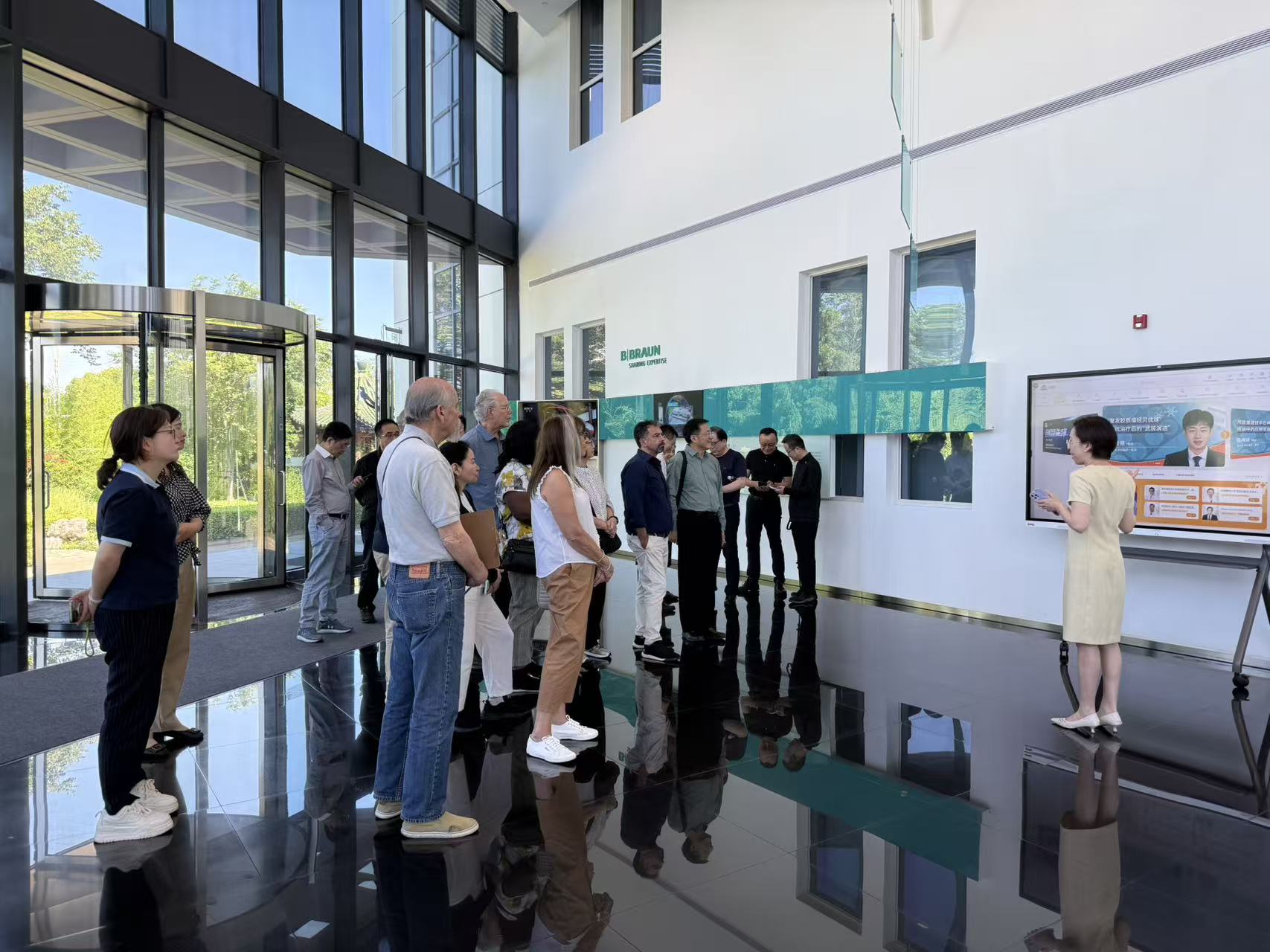
In Suzhou, the delegation visited Aesculap Academy, where representatives introduced the development of B. Braun, Aesculap Academy and the company’s local manufacturing activities.
The visit included the academic auditorium, innovation exhibition areas, digital medical education platforms, simulation training facilities, animal laboratories, haemodialysis simulation facilities and surgical instrument exhibition areas. The delegation learned about the Academy’s educational model, digital teaching system, practical training courses, blended online and offline learning, and Continuing Professional Education programs in medicine and engineering.
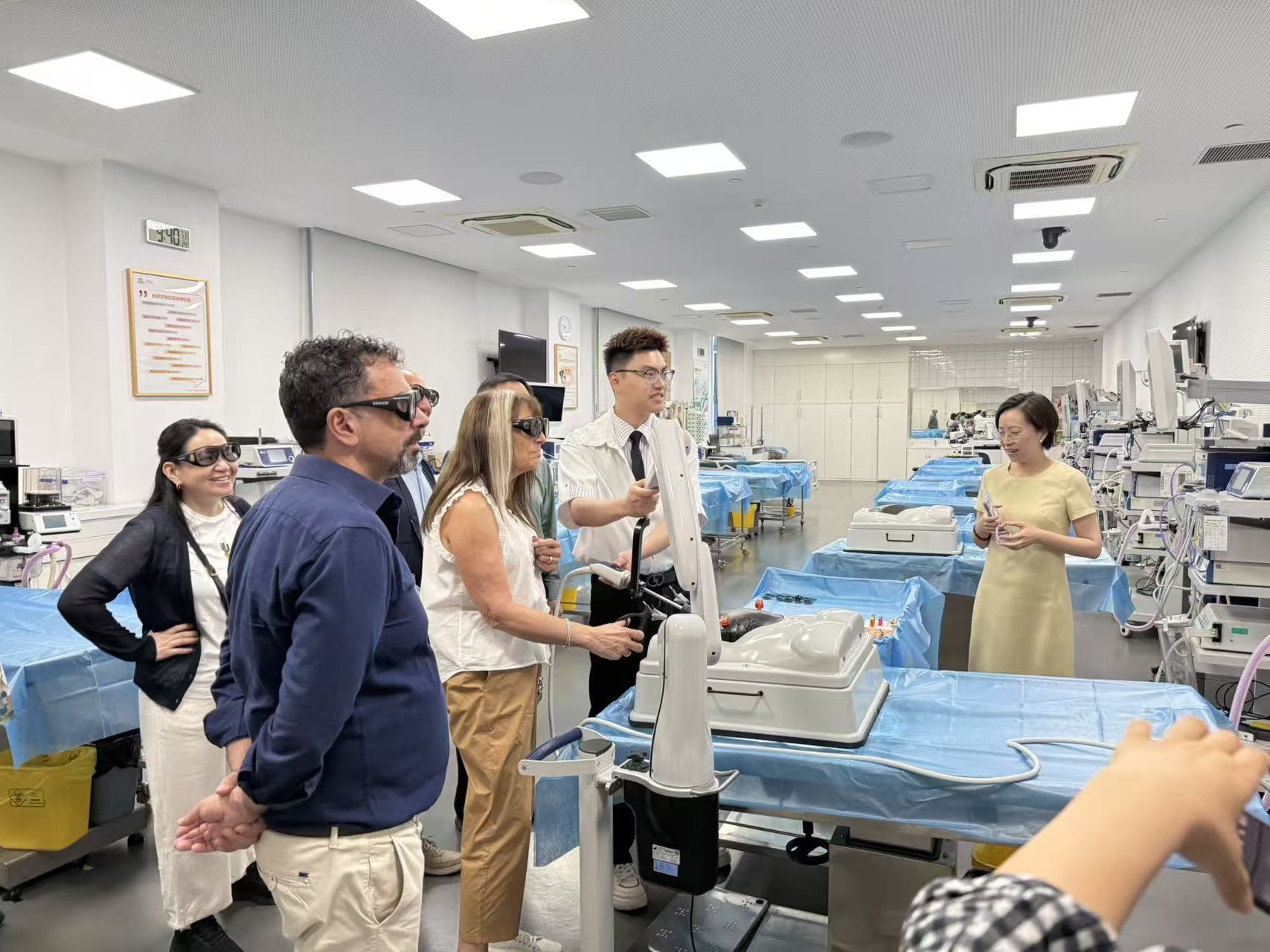
Prof. Li Bin, Chair of IFMBE-CED, emphasized that meaningful Medical-Engineering Integration requires close collaboration with leading medical technology companies and professional education institutions. Such cooperation is essential for strengthening the connection between industry, academia, research, clinical practice and professional development.
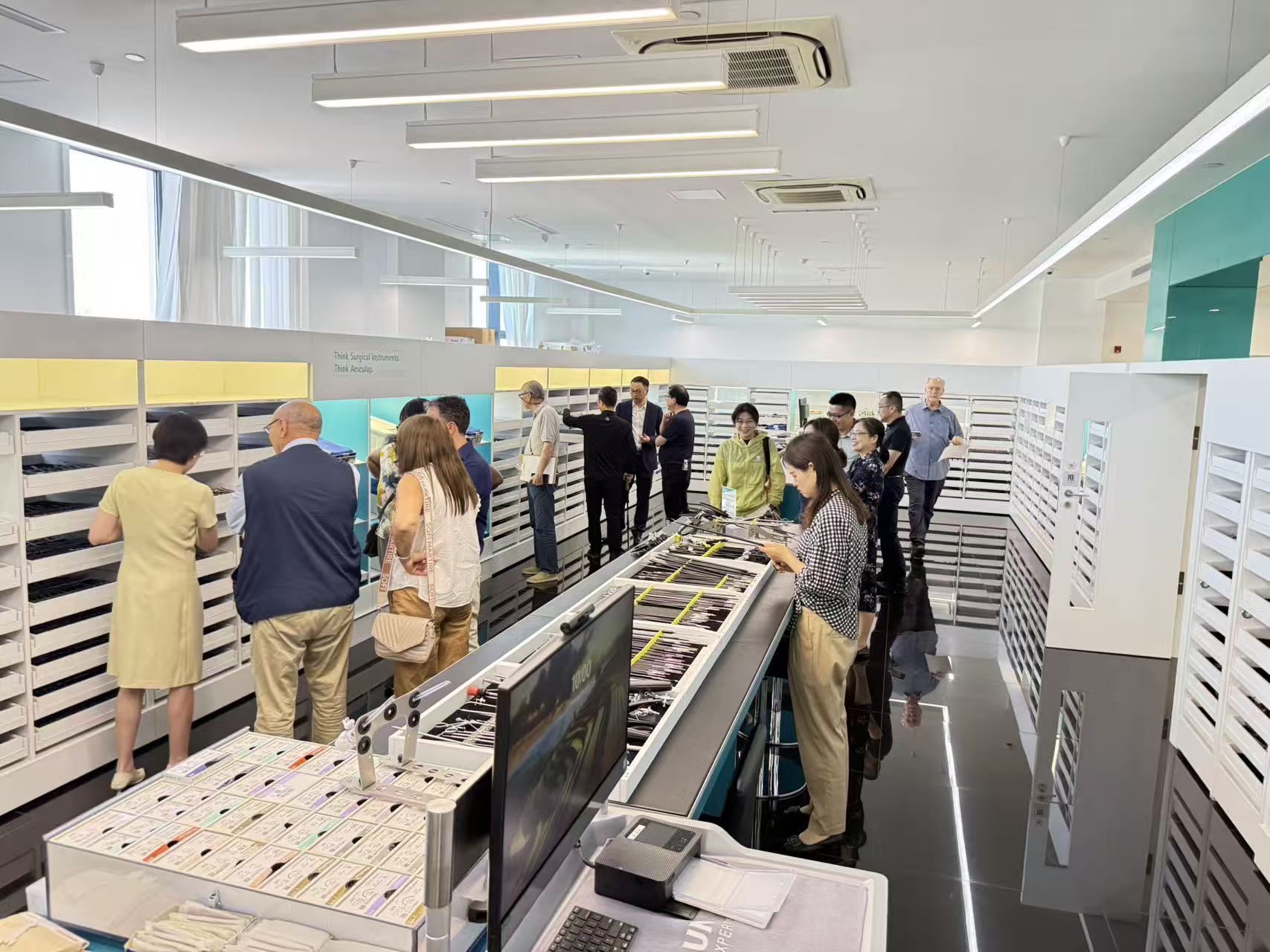
The international experts expressed appreciation for the Academy’s educational philosophy, training environment and commitment to professional capacity building. The visit also opened opportunities for future cooperation in educational resource sharing, continuing education, medical-engineering integration, and international professional development.
Roche Diagnostics Suzhou Presents an End-to-End Local Innovation Ecosystem
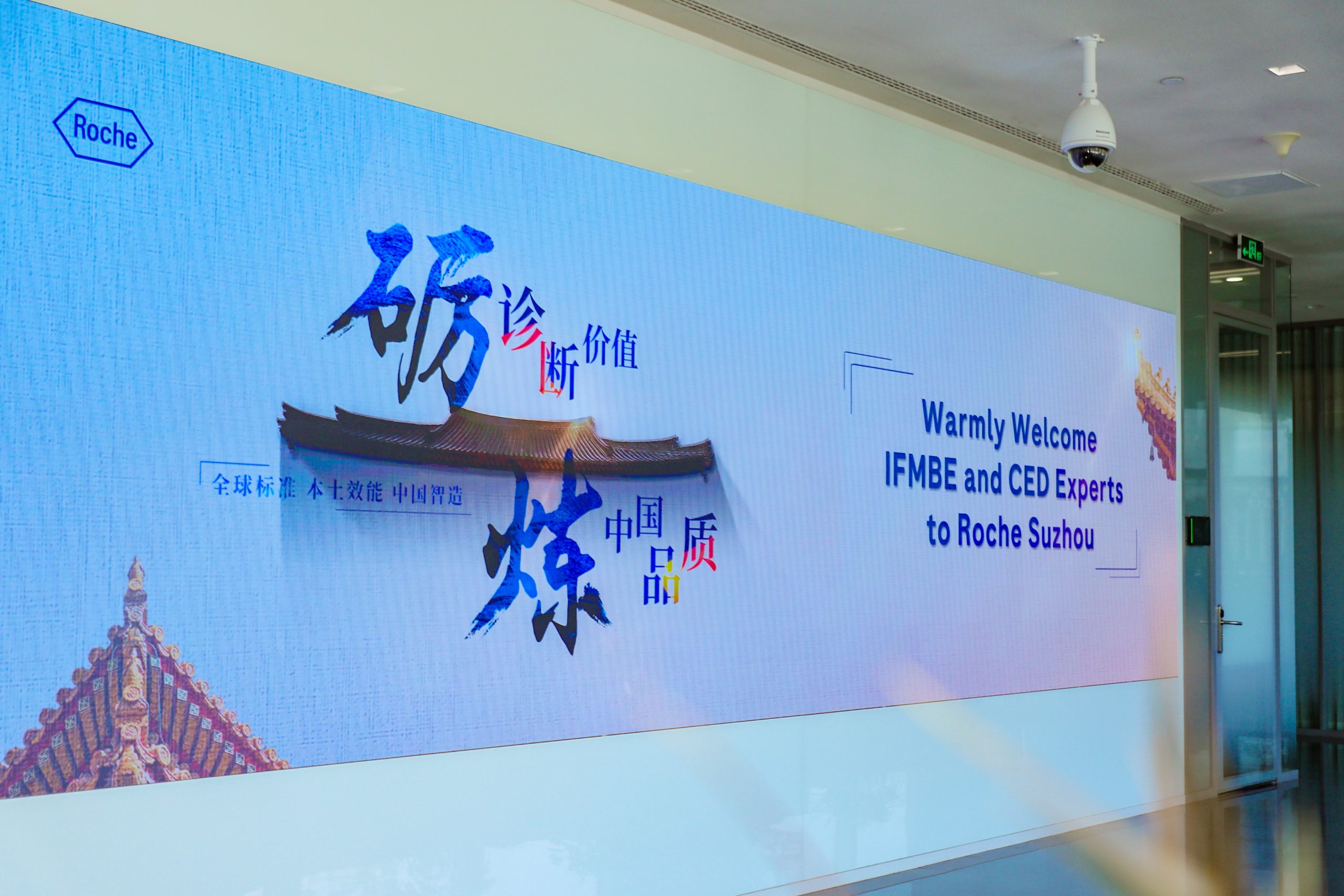
On 31 May, the delegation visited the Roche Diagnostics Asia Pacific manufacturing base and R&D center in Suzhou. The visit focused on the theme of Medical-Engineering Integration and Innovation and offered the experts an opportunity to observe Roche Diagnostics’ reagent manufacturing processes and intelligent solutions for modern hospital laboratories.
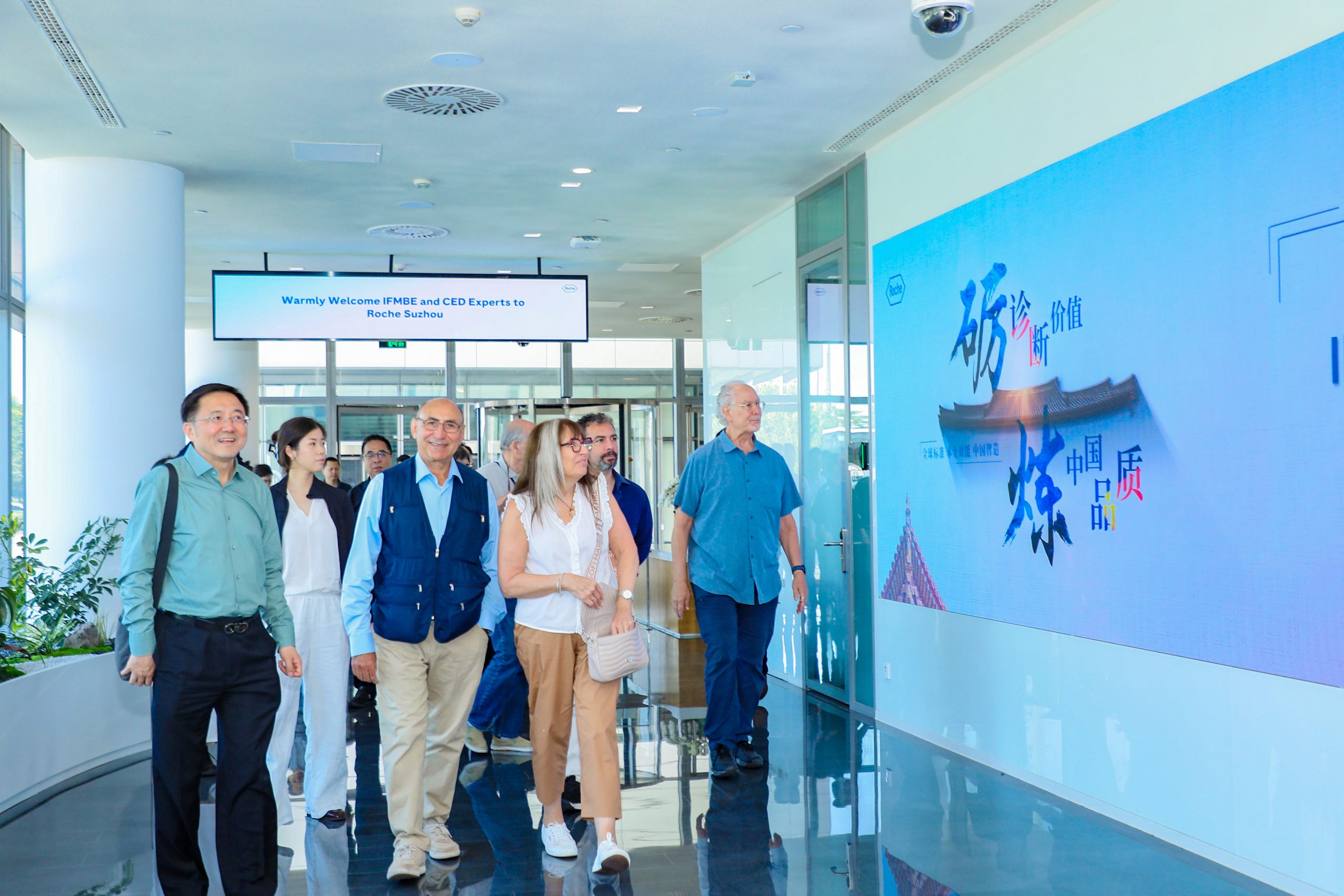
The delegation toured the highly automated production line and learned about the full process from raw-material quality control and intelligent manufacturing to precision packaging. The site demonstrated an end-to-end local ecosystem integrating research and development, manufacturing, quality management and supply-chain operations.
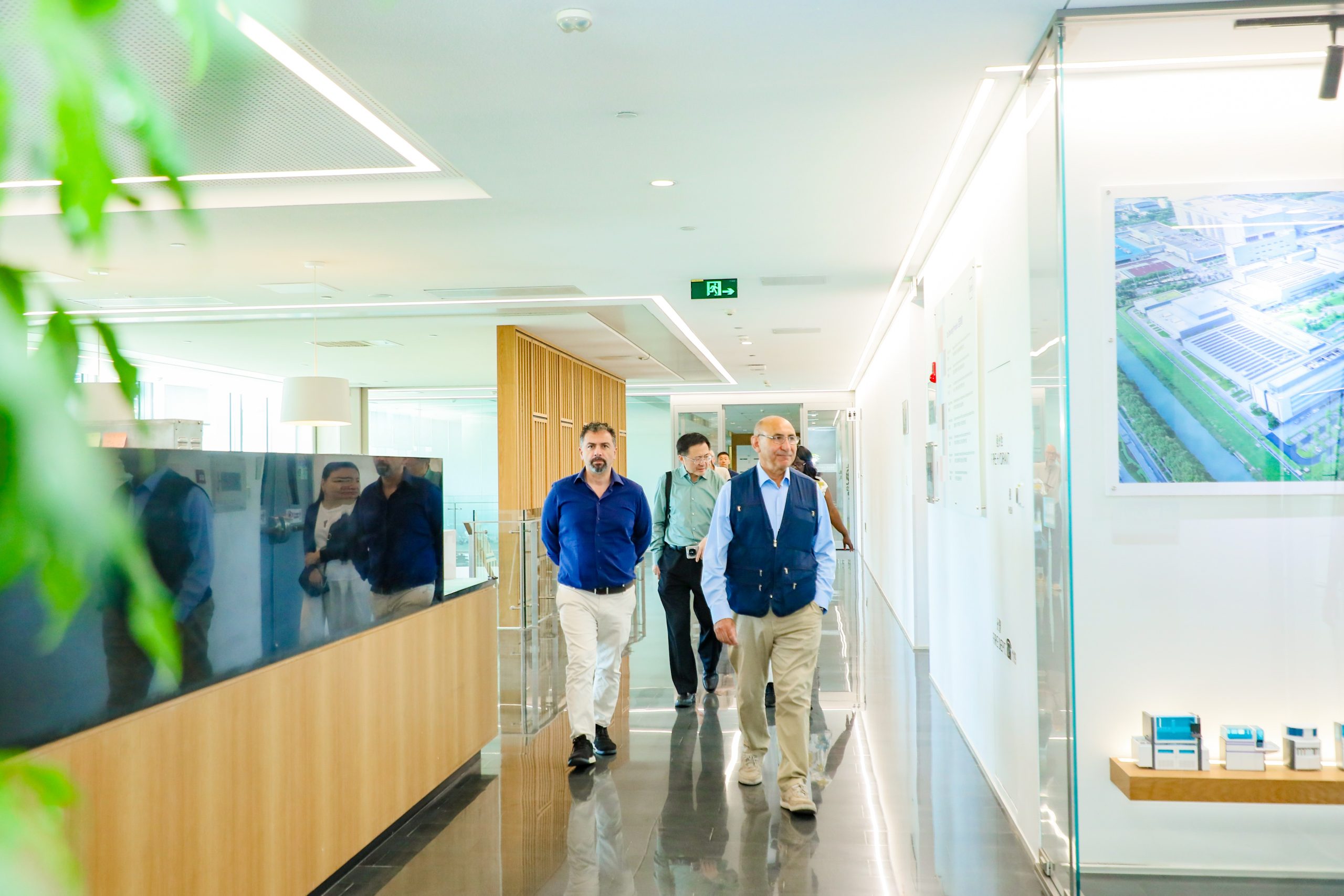
The visit also highlighted the importance of resilient healthcare supply systems. By establishing integrated research, production and quality-control capabilities in Suzhou, Roche Diagnostics has strengthened its capacity to support sustainable product supply in China and across the Asia-Pacific region.
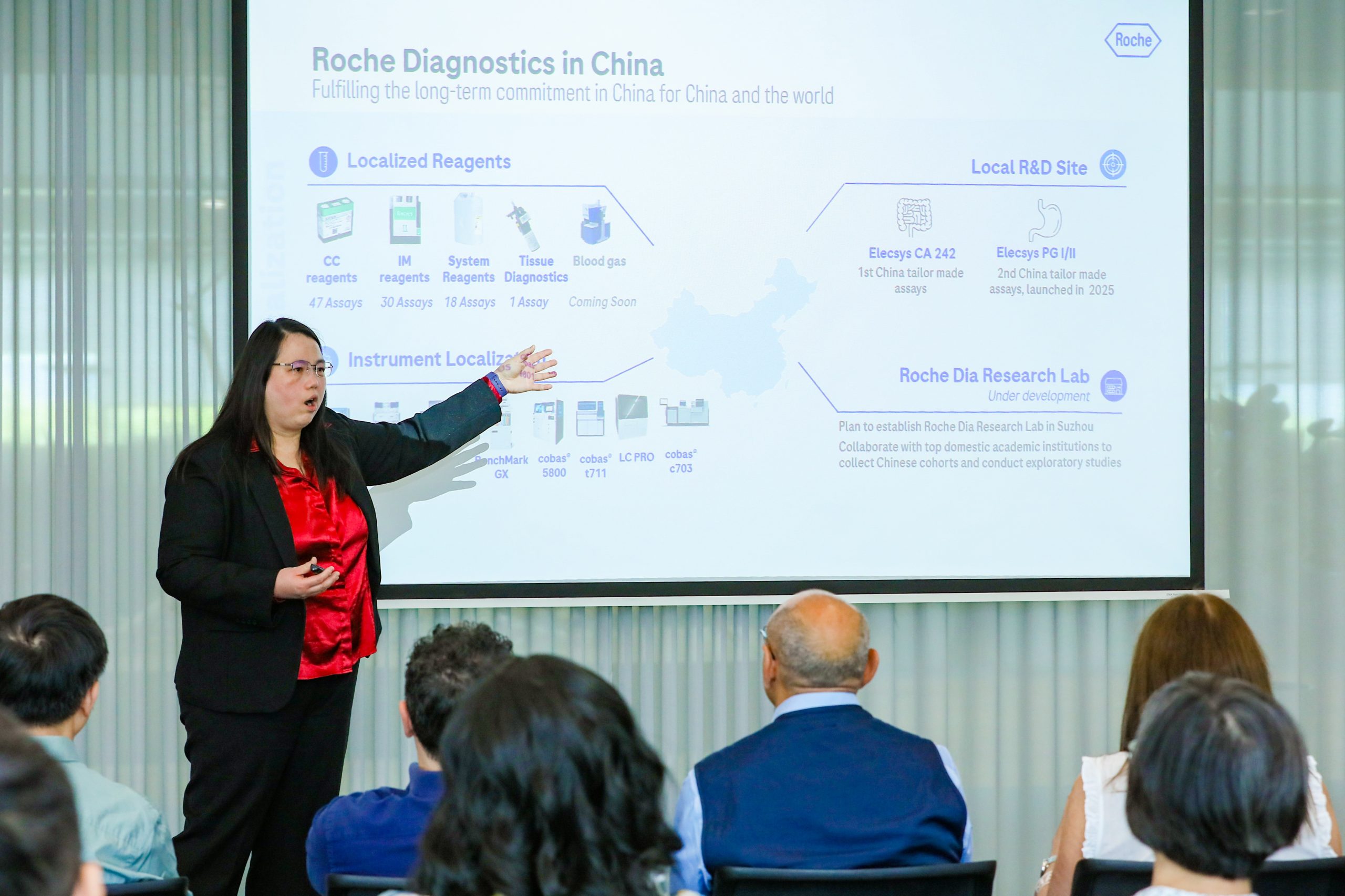
In addition to the manufacturing facilities, Roche Diagnostics presented its Smart Laboratory solutions. Through the application of Artificial Intelligence, the Internet of Things and data analytics, these solutions support the automation and intelligent management of laboratory workflows, including sample collection, transport, testing, quality control and report generation.
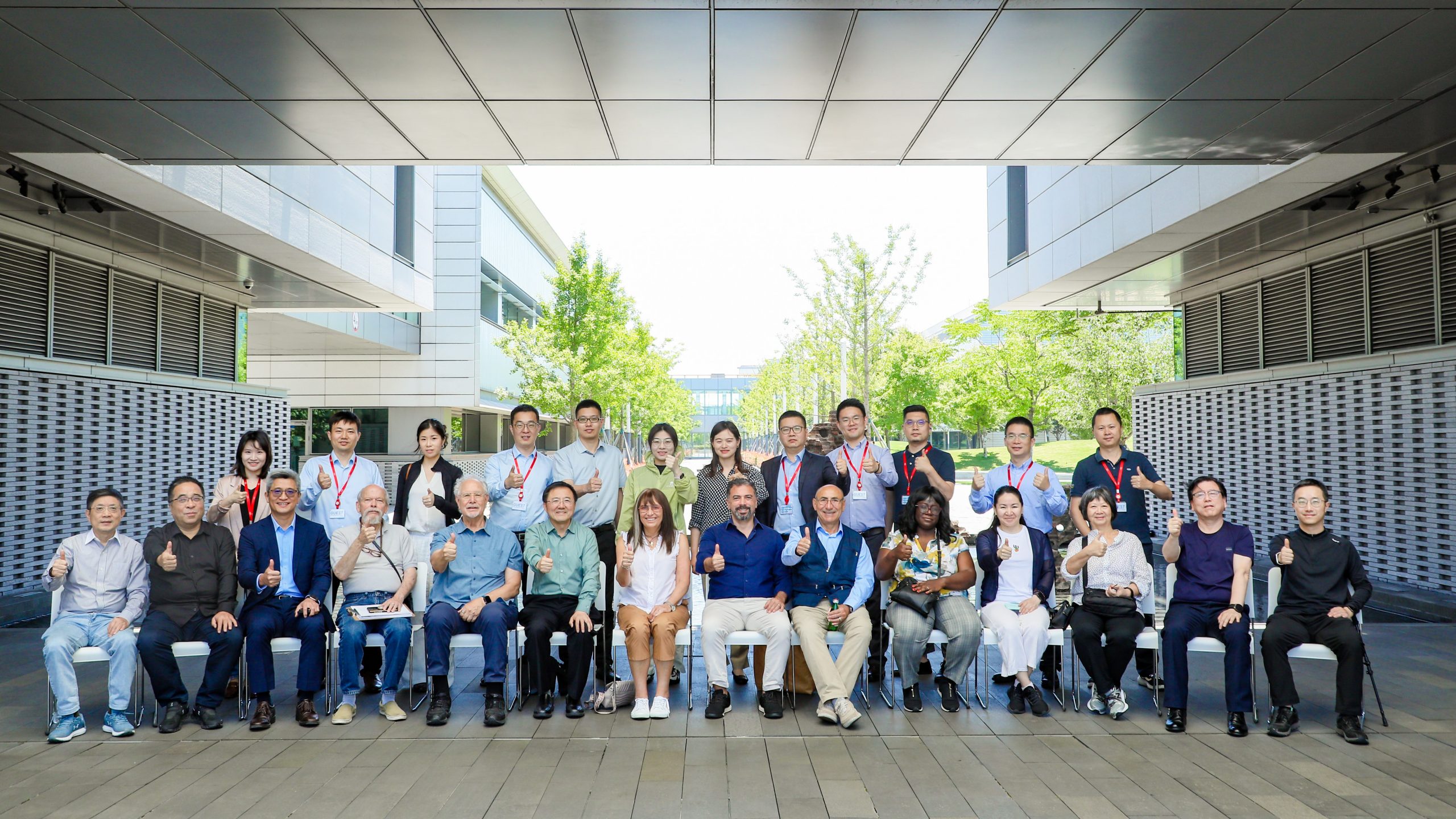
The delegation discussed how Digital Health technologies can improve laboratory efficiency, strengthen quality management and support clinical decision-making. The experts noted that such solutions provide valuable references for the intelligent transformation of hospital laboratories and for more effective patient-centred care.
Advancing Global Clinical Engineering Collaboration
Through two international forums, visits to Shanghai Sixth People’s Hospital and Shanghai Jiading District Central Hospital, and field visits to United Imaging, B. Braun Aesculap Academy and Roche Diagnostics Suzhou, the delegation gained a comprehensive view of China’s Medical Technology Innovation ecosystem.
The program covered the full pathway from Clinical Needs, Professional Education and scientific research to technology development, intelligent manufacturing, clinical implementation and supply-chain development.
It demonstrated the strategic role of Clinical Engineering and Biomedical Engineering in connecting healthcare institutions, universities, research organizations, professional societies and industry. It also showed how sustained Medical-Engineering Collaboration can support Technology Translation, Professional Development, resilient healthcare systems and Global Health Equity.
IFMBE-CED will continue to work with IFMBE leadership, its Board Members, Co-opted Members, Advisors and global partners to promote knowledge exchange, Clinical Engineering capacity building, Digital Health implementation and international cooperation, contributing to safer, smarter, more accessible and more equitable healthcare systems worldwide.